

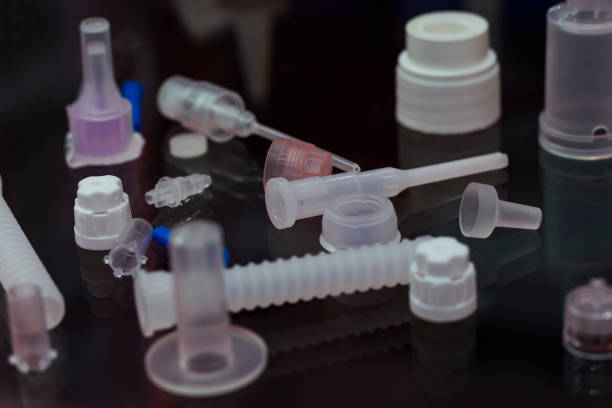
In the world of medical injection molding, precision is a life-saving requirement. Many manufacturers believe that hot runner systems only serve to reduce material costs. However, the medical industry relies on this technology for much deeper reasons. High-performance hot runners ensure a sterile and highly controllable production environment. This guide explores the critical role of “runnerless” molding in healthcare. We help you understand why advanced manifold systems are essential for medical safety.
1. The Strict Requirements of Medical Products
Medical devices must meet extreme standards that traditional molding often fails to reach.
Total Sterility and Zero Contamination
Medical components must remain free from dust, oils, and biological particles. Consequently, any extra handling of the material increases the risk of contamination. Standard cold runners create physical waste that must be separated and moved. Therefore, a closed-loop system is necessary to maintain a truly sterile “clean room” environment.
Eliminating Secondary Pollution from Waste
Cold runners generate large amounts of “scrap” plastic during every cycle. Many factories try to regrind and reuse this excess material. However, the recycling process introduces the risk of secondary pollution into the batch. Consequently, medical regulators often forbid the use of reground plastic for critical parts. Therefore, preventing waste at the source is the only safe solution for healthcare.
2. The Medical Value of Hot Runner Systems
Hot runner technology transforms the injection molding process into a precision science.
Zero Waste and Lower Biological Risk
A hot runner keeps the plastic molten inside the manifold at all times. Consequently, the machine only injects the exact amount of material needed for the part. This “runnerless” approach eliminates the need for manual or robotic waste removal. Furthermore, it keeps the entire material path sealed from the outside air. Therefore, you significantly reduce the chance of airborne bacteria entering the mold.
Independent Control and Full Traceability
Modern hot runners allow for individual temperature control of every single nozzle. Consequently, you can monitor the exact molding conditions for each specific cavity. If a single part fails, you can trace the issue back to a specific thermal zone. Furthermore, digital sensors record every pressure spike and temperature change for quality audits. Therefore, you meet the strict “Validation and Verification” (V&V) standards required by law.
3. Advice for the Medical Industry: Zero Waste is the Baseline
When designing medical molds, functional safety must always come before initial tooling costs.
-
Prioritize Valve Gates: Use moving pins to ensure a perfectly clean and smooth gate mark.
-
Choose Medical-Grade Steel: Ensure the manifold blocks resist corrosion from specialty medical resins.
-
Monitor Real-Time Data: Use integrated controllers to track every shot for your compliance reports.
Consequently, you will build a reputation for reliability in the high-stakes medical market. Professional injection molding setups provide the consistency that doctors and patients rely on. Furthermore, you reduce the total cost of ownership by eliminating waste disposal fees. Therefore, view your hot runner system as a vital safety component of your production line.
Conclusion: Engineering Safety into Every Shot
The medical sector leaves no room for manufacturing errors or contamination.
Stop viewing hot runners as a simple way to cut down on plastic scrap. Instead, recognize them as the foundation of a modern, sterile production strategy. Consequently, your facility will meet the highest global standards for medical device manufacturing. Experience the peace of mind that comes with a perfectly controlled molding environment. Start your journey toward high-precision, runnerless production today. Your patients deserve the cleanest and most reliable products possible.


Add comment