

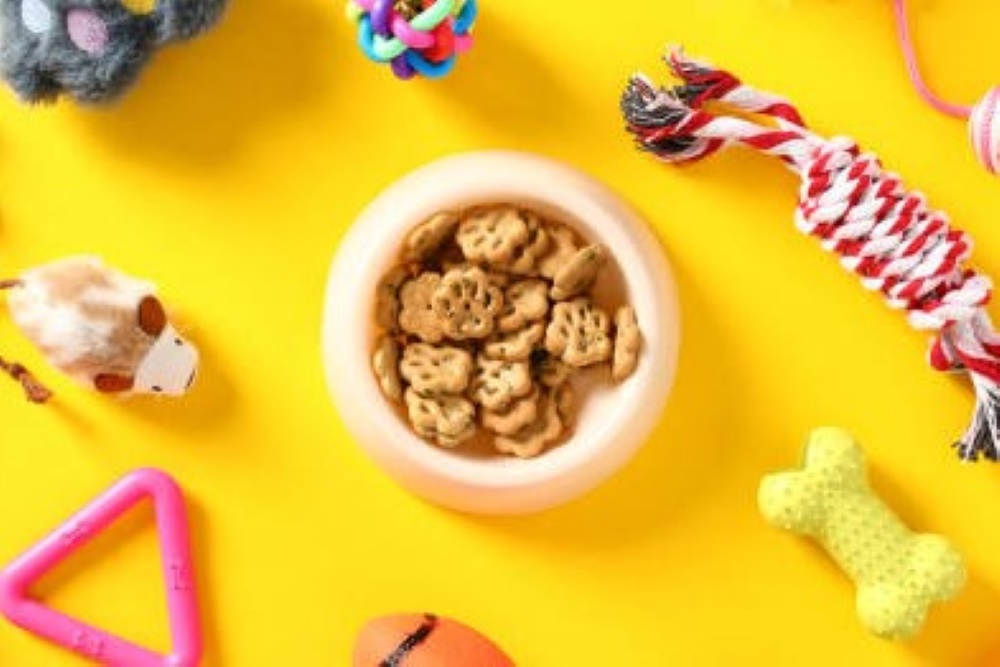
International pet product brands, corporate sourcing managers, and e-commerce wholesalers must verify material chemical safety declarations carefully before launching new inventory. When manufacturing rubber feeding accessories, procurement teams often struggle to define exact regulatory testing protocols for different global regions. Choosing an unverified material compound can lead to severe customs border seizures, expensive product recalls, and irreparable damage to your brand reputation.
Deploying a fully certified, high-purity silicone suction pet bowl fleet ensures your products pass international customs smoothly and build long-term consumer trust. This technical sourcing guide details the critical differences between American FDA and European LFGB food-grade regulations to help you manage your next factory manufacturing order.
1. The Global Regulatory Framework for Silicone Food-Contact Materials
To distribute rubber pet products legally across major global consumer markets, you must confirm that the raw elastomer matches specific regional food-contact testing laws.
 US Customs Entry ──> Requires Compliance with FDA 21 CFR 177.2600 ──> ⚖️ Legal Market Distribution
 EU Customs Entry ──> Requires Compliance with LFGB / EU 1935/2004 ──> ⚖️ Legal Market Distribution
The United States Market: FDA 21 CFR 177.2600
For products entering the United States, the Food and Drug Administration regulates rubber articles intended for repeated food contact under the FDA 21 CFR 177.2600 standard. This protocol subjects the silicone material to rigorous chemical extraction tests using distilled water and n-hexane. The laboratory measures the total amount of migratory substances that leach out of the polymer over specific time windows to ensure the material remains completely non-toxic during daily feeding.
The European Market: LFGB (Lebensmittel- und Futtermittelgesetzbuch)
For products targeting Germany and wider European regions, the LFGB framework serves as the gold standard for consumer safety. While it incorporates standard chemical extraction limits similar to EU 1935/2004, it introduces much tougher evaluation criteria than the American FDA system. Specifically, the LFGB protocol demands an additional sensory test to confirm that the silicone material transfers absolutely zero trace odors or flavors to food substances.
2. Deep-Dive Comparison: Why LFGB Demands a Premium Over FDA Grades
Procurement officers must understand that a material passing basic FDA metrics will not automatically satisfy strict European LFGB testing thresholds.
                  Material Testing Strictness Spectrum:
   ┌──────────────────────────────────────────────────────────────────┐
   │ FDA Grade: Focuses primarily on chemical weight extraction caps. │
   ├──────────────────────────────────────────────────────────────────┤
   │ LFGB Grade: Adds strict sensory taste, odor, and volatile tests. │
   └──────────────────────────────────────────────────────────────────┘
The primary difference stems from the composition of the raw silicone rubber compound and the duration of its factory post-curing cycle. Standard FDA-compliant silicone uses basic catalysts that satisfy global extraction limits cost-effectively. Therefore, it works perfectly for standard commercial applications within the United States.
Conversely, LFGB compliance requires a premium platinum-cured silicone base coupled with an extended post-cure baking phase (200℃ for 2 to 4 hours). This deep heating process drives out all remaining volatile organic compounds and siloxanes, ensuring the finished silicone suction pet bowl satisfies Europe’s strict sensory and chemical requirements. Consequently, LFGB-certified materials command a higher initial price premium but deliver the highest level of consumer safety.
3. Essential Sourcing Checkpoints: Emulating Elite Industry Precedents
When outlining your product blueprints for global export, your procurement team should integrate the safety benchmarks established by premium international juvenile brands.
Verify Base Material Declarations ──> Request Official Third-Party Reports ──> Secure Custom Clearance
-
Mandatory Chemical-Free Declarations: Elite global baby brands like NUK explicitly manufacture their suction hardware to be entirely BPA-free, phthalate-free, and lead-free. Sourcing teams must demand these exact same foundational chemical exclusions for pet products to prevent structural toxicity.
-
Verify Restricted Substances: Ensure your production lot complies with international RoHS mandates, which strictly limit dangerous heavy metals like lead, cadmium, and mercury across all product components.
-
Reject Verbal Quality Assurances: Never accept a factory’s verbal promise or simple self-written statement as proof of material safety. You must require a formal, authenticated test report issued by an independent, accredited third-party testing agency like SGS or TUV. Custom border agents will look for these official verification documents during routine clearance checks.
Food-Contact Elastomer Certification Comparison
| Material Evaluation Metric | Standard Industrial Grade Silicone | FDA 21 CFR 177.2600 Grade | Premium European LFGB Grade |
| Primary Target Market | Low-cost domestic regions | United States Territory | Germany & European Union |
| Chemical Extraction Caps | None; high risk of leaching | Regulated via hexane testing | Strictly enforced limits |
| Sensory Taste & Odor Testing | Fail; noticeable rubber smells | Not explicitly required | Mandatory; guarantees zero transfer |
| Catalyst Material Setup | Peroxide-cured; lower cost | Peroxide or Platinum base | Premium Platinum-cured only |
| Customs Border Safety Rating | Low; high risk of cargo bans | High; ensures swift US entry | Absolute; passes all EU checks |
Conclusion: Future-Proof Your Pet Product Supply Chain
In conclusion, achieving long-term commercial success across competitive Western markets requires sourcing certified, high-purity components that safeguard animal health.
Stop risking your global distribution profits on unverified rubber stocks that fail chemical testing, emit strong odors, and cause customs clearance delays. Upgrading your custom product orders to our fully documented silicone suction pet bowl systems ensures absolute material purity and smooth border clearance. We manufacture every single multi-cavity injection batch using premium, verified food-grade polymers that satisfy both American and European regulatory frameworks. Contact our corporate engineering group today to review our verified test reports and secure your next wholesale production run.



Add comment