

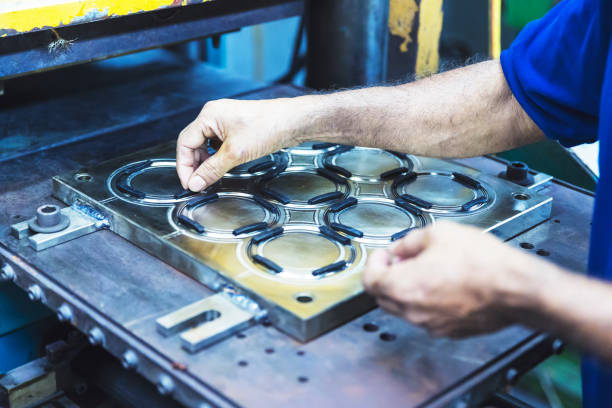
Product managers, hardware engineers, and procurement specialists searching for soft-touch, biocompatible materials frequently evaluate custom plastic and elastomer molding processes. Because liquid silicone rubber (LSR) offers superior thermal resistance, flexibility, and safety, component designers often seek ways to streamline manufacturing costs. Consequently, prospective clients frequently ask molding specialists a fundamental production question: “We see online listings advertising ‘injection-moldable silicone pellets.’ Can we actually process pure silicone on a standard thermoplastic injection molding machine, or do we need specialized equipment?”
Attempting to process pure silicone using standard thermoplastic injection molding machinery leads to immediate material degradation, equipment blockages, and costly manufacturing failures. Pure silicone relies on irreversible thermosetting chemical cross-linking, whereas conventional injection molding machines process thermoplastics through physical heating and cooling cycles. Those advertised “silicone pellets” are almost always modified elastomeric compounds, such as silicone-modified thermoplastic elastomers (Si-TPE). This manufacturing guide clarifies why pure silicone requires dedicated LSR injection machinery, exposes the reality behind modified silicone compounds, provides quick field-testing methods, and offers strategic sourcing advice.
1. The Fundamental Processing Barrier: Thermoset Chemistry vs. Thermoplastic Physics
To understand why standard plastic molding equipment cannot handle pure silicone, engineering teams must evaluate how polymer chains cure during manufacturing.
| Processing Stage | Thermoplastic Molding Process | Pure LSR Silicone Molding Process |
|---|---|---|
| Material Feeding | Solid thermoplastic pellets enter the heated barrel through a gravity hopper system. | Liquid silicone rubber components (Part A and Part B) enter the machine through a precision pumping system. |
| Barrel Processing | Heating elements melt plastic pellets into a consistent molten material for injection. | A cooling system keeps liquid silicone components stable and prevents premature curing before injection. |
| Mold Reaction | The molten thermoplastic cools inside the mold and solidifies into the final shape. | Liquid silicone flows into a heated mold and cures through a controlled vulcanization reaction. |
| Temperature Control | The process uses high barrel temperatures and controlled mold cooling. | The process uses a cooled material delivery system and high-temperature mold curing. |
| Final Material State | Thermoplastic parts become rigid after cooling and can be reheated during recycling processes. | LSR silicone parts achieve flexible, heat-resistant, and durable properties after curing. |
By comparing these processing stages, manufacturers can better understand the differences between thermoplastic injection molding and LSR silicone molding. This knowledge helps optimize material selection, production efficiency, and final product performance.
Step 1: Raw Material Feeding Method
Standard thermoplastic injection machines feed solid plastic resin pellets from a hopper into a heated barrel. Conversely, pure silicone—specifically liquid silicone rubber (LSR)—uses a two-part liquid compound (Component A and Component B). Precise dosing pumps deliver these liquid components directly into a specialized mixing unit.
Step 2: Barrel Temperature Management
Conventional molding machines heat the barrel to melt solid plastics into a pliable liquid. In sharp contrast, LSR injection molding machinery actively cools the barrel using chilled water jackets. Keeping the liquid silicone cold prevents premature vulcanization inside the barrel.
Step 3: Mold Curing Dynamics
Thermoplastic processing injects hot molten plastic into a cold mold, where the material cools and solidifies physically. Pure silicone reverses this entire thermal logic: the chilled liquid silicone enters a heated mold cavity (typically 170°C to 210°C), triggering a rapid, irreversible chemical cross-linking reaction that cures the silicone into a permanent elastomer.
2. The Truth About “Injectable Silicone Pellets”: Modified Elastomer Chemistry
Materials marketed as “injection-moldable silicone pellets” are not pure silicone. Instead, these resins are modified thermoplastic compounds—most commonly silicone-modified Thermoplastic Elastomers (TPE/TPU).
Structural Composition and Trade-offs
Compounding companies blend silicone chains into a TPE or TPU matrix to create pellets that melt and cool like standard plastic. While these modified materials deliver a soft, silky surface texture similar to pure silicone, their physical limits differ significantly:
-
Lower Heat Resistance: Modified silicone softens or melts at high temperatures, whereas pure silicone remains stable up to 200°C–250°C.
-
Reduced Chemical Inertness: Modified compounds exhibit lower chemical resistance and weaker long-term elastic recovery under constant compression.
Material Performance & Processing Comparison Matrix
The table below contrasts pure liquid silicone rubber with modified silicone pellets and standard TPEs:
| Material Performance Factor | Pure Liquid Silicone Rubber (LSR) | Modified Silicone Pellets (Si-TPE) | Standard TPE / TPU Material |
| Material Classification | Thermoset Polymer | Thermoplastic Elastomer | Thermoplastic Elastomer |
| Machine Compatibility | Dedicated LSR Injection Machine | Standard Injection Molding Machine | Standard Injection Molding Machine |
| Thermal Operating Range | -50°C to +250°C | -30°C to +100°C | -20°C to +80°C |
| Curing & Solidification Mechanism | Thermal chemical cross-linking | Physical cooling & solidification | Physical cooling & solidification |
| Biocompatibility & Safety | Medical grade / Food grade certified | Varies by base polymer matrix | Standard commercial grade |
| Tactile Surface Feel | Silky, non-tacky, premium soft touch | Smooth, low friction | Slightly tacky or rubbery |
3. Three Quick Field Tests to Identify Pure Silicone
Quality control managers and procurement agents can quickly differentiate pure silicone from modified thermoplastic elastomers using three simple physical tests:
Method 1: The Crease White-Out Test
Bend or stretch the material sample firmly. If the folded edge turns noticeably white, the material is likely a modified TPE or low-grade elastomer filled with plasticizers. Pure silicone retains its rich color and structural clarity without whitening when stretched.
Method 2: The Combustion Ash Test
Ignite a small material sample in a controlled environment. Pure silicone burns with a bright, clean white flame and leaves behind a fine, powdery white ash (silicon dioxide, $SiO_2$). In contrast, modified thermoplastics produce dark soot, black smoke, and sticky chemical residue.
Method 3: Surface Touch and Friction Test
Pure silicone offers an ultra-smooth, silky hand-feel without surface tackiness. Modified TPEs often feel slightly sticky, attract dust easily, or exhibit a greasy surface feel over time due to plasticizer migration.
4. Strategic Sourcing Guidelines for Product Developers
Selecting between pure silicone and modified silicone depends on your performance requirements, regulatory standards, and budget constraints:
-
Choose Dedicated LSR Molding for High-Spec Applications: If your product requires medical-grade biocompatibility, food-contact compliance, extreme thermal stability, or repeated steam sterilization (e.g., infant products, medical seals, wearable tech), source a dedicated custom injection molding service equipped with specialized LSR machines.
-
Choose Modified Silicone for Cost-Sensitive Consumer Goods: If your application emphasizes rapid high-volume manufacturing, lower tooling costs, and pleasant tactile feel without extreme temperature requirements, modified silicone pellets processed on standard injection machinery offer a practical balance between performance and cost.
Conclusion: Match Material Science with Purpose-Built Manufacturing
In conclusion, understanding the chemical differences between pure silicone vs modified silicone enables engineering teams to choose the correct manufacturing process and prevent costly production errors.
Stop wasting time trying to run pure silicone through conventional plastic injection machinery. Selecting dedicated LSR molding for demanding thermal and medical applications—or leveraging modified silicone pellets on standard presses for cost-effective consumer accessories—guarantees predictable product quality, optimal production speeds, and maximum return on investment. We offer comprehensive tooling engineering, high-precision custom injection molding services, and expert material selection advice for both thermoplastic and elastomeric components. Contact our molding engineering team today to review your CAD files and receive a detailed manufacturability analysis.





Add comment