

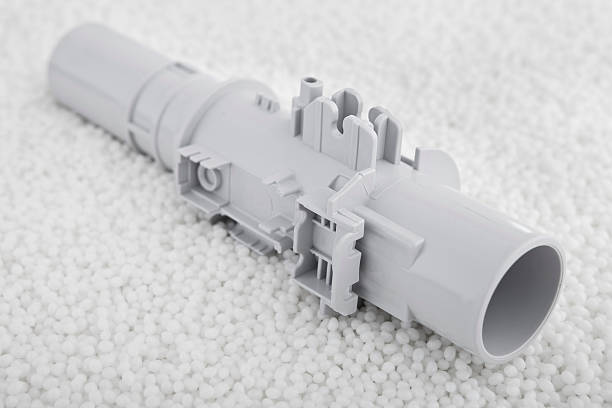
When sourcing custom plastic or silicone components, procurement managers often encounter a common point of confusion: the difference between standard plastic injection molding and PVC micro-injection molding. Although both processes use high-pressure liquid distribution and thermal curing, their applications, material properties, tooling costs, and structural capabilities are fundamentally different.
Sending a soft, multi-colored promotional emblem to a high-tonnage rigid plastic injection factory—or expecting structural housing components from a liquid PVC dispenser—leads to inflated tooling quotes, improper material selection, and lost production time.
Understanding the engineering differences between rigid thermoplastics and liquid soft PVC dispensing through a custom plastic and silicone injection molding supplier lens helps B2B buyers select the right manufacturing process, control tooling budgets, and streamline product development.
1. Structural Process Comparison: Plastic Injection vs. PVC Micro-Injection
Comparing the fundamental production, tooling, and material characteristics of both processes clarifies why choosing the right manufacturing method is essential for cost-effective procurement:
| Engineering Aspect | Standard Plastic Injection | PVC Micro-Injection (Dispensing) |
|---|---|---|
| Primary Materials | ABS, PC, PP, POM, Nylon (PA) | Liquid PVC Paste / Soft Silicone |
| Material State | Rigid Thermoplastic Pellets | Soft Liquid Plastisol / Slurry |
| Tooling & Molds | High-hardness Steel/Aluminum Multi-cavity Molds ($3,000+) | CNC Engraved Copper or Brass Micro-Molds ($200–$800) |
| Structural Role | Load-bearing, Enclosures, Mechanical Fasteners | Flexible, Decorative, Non-Structural Soft Trim |
| Color Application | Single color per cycle / Overmolding | Multi-color layer-by-layer micro-dispensing |
| Production Scale | High-volume automated runs (Thousands to Millions) | Low-to-high volume flexible custom orders |
2. Detailed Breakdown: Material Behavior, Tooling Costs, and Applications
1. Rigid Plastic Injection Molding: Structural Components & High-Tonnage Tooling
Standard plastic injection molding converts solid thermoplastic pellets into rigid, structural components using high-clamping-force injection machinery:
-
Engineering Resins: Uses high-density polymers such as ABS, Polycarbonate (PC), Polypropylene (PP), POM, or Nylon (PA). These resins provide high impact resistance, tensile strength, and heat resistance.
-
Complex Tooling & High Pressure: Requires precision-machined steel or aluminum injection molds equipped with cooling channels, ejector pins, and runner systems. High injection pressures fill complex cavities for load-bearing housings, snap-fit clips, electronic enclosures, and industrial valves.
-
Cost Structure: Molds represent a major upfront capital expenditure ($3,000 to $20,000+). However, per-unit unit costs decrease significantly during high-volume production runs ($10,000+$ units).
2. PVC Micro-Injection Molding: Flexible Soft Trim & Multi-Color Micro-Dispensing
PVC micro-injection—often called micro-dispensing or drip molding—uses automated needle nozzles to deposit liquid PVC plastisol or soft liquid silicone rubber (LSR) into open brass or copper molds:
-
Soft & Elastomeric Properties: Creates highly flexible, shock-absorbing, and weather-resistant soft components.
-
Precision Multi-Color Layering: CNC-controlled micro-dispensing needles inject different colored liquid polymers into precise channels. This allows intricate 2D and 3D multi-color graphics, raised logos, and textured surfaces without requiring separate assembly steps.
-
Accessible Tooling Costs: Uses simplified brass or copper micro-molds cured under heating elements rather than heavy injection machinery. Tooling costs remain low ($200 to $800), making it cost-effective for small-to-medium batch orders and customized branded items.
3. Silicone Injection Molding (LSR): The High-Performance Alternative
When flexible soft components require high temperature resistance, medical-grade purity, or food-safe compliance, liquid silicone rubber (LSR) injection molding replaces standard PVC:
-
Thermal & Environmental Resistance: Liquid silicone operates continuously from $-50^\circ\text{C}$ to $+200^\circ\text{C}$ without degrading, hardening, or leaching chemicals.
-
Biocompatibility: LSR materials satisfy FDA, LFGB, and medical-grade standards, making them ideal for infant products, wearable device straps, kitchenware, and healthcare components.
3. WIN WIN Custom Plastic & Silicone Molding Capabilities
WIN WIN provides complete OEM/ODM custom molding services, backed by dedicated production lines for rigid engineering plastics, flexible liquid silicone, and precision micro-dispensing:
-
Dual Manufacturing Capabilities: In-house high-tonnage plastic injection machines paired with automated liquid silicone rubber (LSR) and micro-injection lines.
-
Integrated DFM Tooling & Mold Design: Advanced Design for Manufacturability (DFM) reviews, mold-flow analysis, and in-house CNC mold fabrication to optimize cycle times and prevent parting-line defects.
-
Certified Quality Assurance: ISO9001-certified manufacturing facilities using eco-friendly, RoHS, REACH, and FDA-compliant raw materials for international export.
4. Procurement Decision Matrix: Matching Product Designs to the Right Process
When evaluating product drawings and submitting RFQs, use this matrix to match your component requirements with the correct process:
| Product Requirement | Recommended Process | Common Material Options | Typical Application Examples |
| Rigid Shells & Housings | Standard Plastic Injection | ABS, PC, PC/ABS Alloy | Electronics enclosures, power tool bodies, automotive brackets |
| Flexible Decorative Trim | PVC Micro-Injection / Silicone | Soft PVC, Liquid Silicone | Zipper pulls, rubber patch logos, shoe emblems, soft keychains |
| Food-Safe / High-Heat Soft Parts | Liquid Silicone Injection (LSR) | Medical/Food-Grade Silicone | Baby bottle nipples, wearable bands, waterproof gaskets, oven seals |
| Rigid Base with Soft Grip | Multi-Shot / Overmolding | Hard ABS + Soft TPE/Silicone | Ergonomic handle grips, waterproof button seals, impact bumpers |
Technical Summary
Partnering with an experienced custom plastic and silicone injection molding supplier ensures your project uses the optimal manufacturing process for its material, structural, and budget requirements. Understanding the technical distinctions between high-pressure rigid plastic injection and soft liquid micro-dispensing prevents misdirected RFQs, reduces upfront tooling expenses, and accelerates product delivery. WIN WIN supplies custom plastic injection molding, liquid silicone components, and OEM manufacturing solutions for global brands and industrial buyers.



Add comment