

Tableware as a Silent Brand Identity System
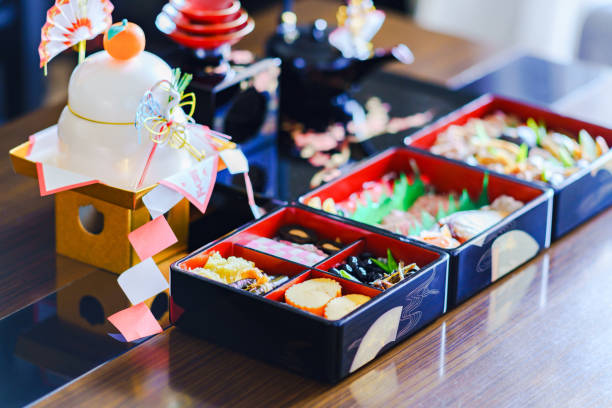
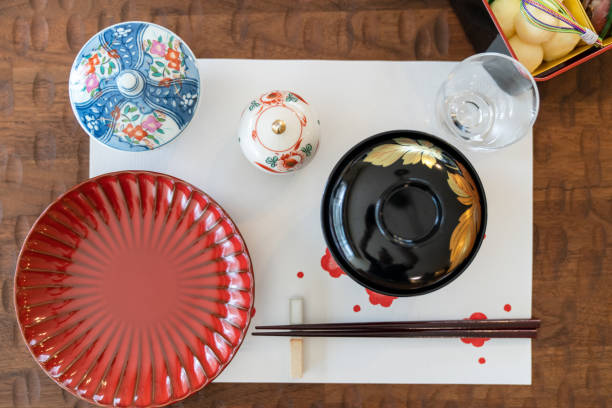
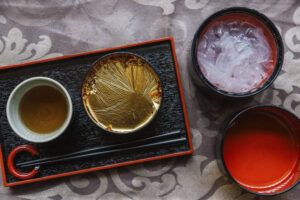
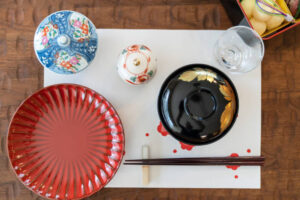
In competitive commercial catering and multi-location dining, customer touchpoints extend far beyond interior decor and digital signage. Tableware serves as a critical “silent brand identity system.” While traditional Japanese restaurants historically relied on intricate golden pine-needle motifs on ceramic or lacquered wood to convey regional aesthetics, modern fast-casual and full-service restaurant chains require a branded presentation strategy that is both visual and scalable.
Acquiring off-the-shelf commercial dinnerware often leads to fragmented brand presentation across locations. In contrast, leveraging a custom injection-molded platter and bespoke plastic dinnerware system transforms standard serving hardware into an asset that reinforces brand identity.
Custom plastic injection molding offers chain operators exact Pantone color matching, durable In-Mold Decoration (IMD) for logos and patterns, and custom-engineered geometries tailored to specific dish portions—shifting the procurement paradigm from buying simple plates to building a repeatable, scalable brand experience.
1. The Core Advantages of Custom Injection Molded Tableware Systems
Developing an integrated plastic dinnerware system through high-precision injection molding provides three primary operational advantages for multi-unit restaurant operations:
| Customization Area | Technical Solution | Key Benefit |
|---|---|---|
| Precise Pantone Color Matching | Exact resin color matching based on brand VI | Maintains consistent brand colors across all store locations |
| In-Mold Decoration (IMD) | Heat- and wash-resistant graphics embedded during molding | Provides durable branding that withstands repeated use and washing |
| Functional Geometry & Ergonomic Shapes | Custom compartments and molded ergonomic structures | Improves stacking efficiency and increases dish plating speed |
1.1. Brand VI Alignment via Precise Pantone Color Matching
Off-the-shelf ceramic or melamine dinnerware often suffers from batch-to-batch color variation. Injection molding allows food-grade resin compounds (such as SAN, ABS, Polypropylene, or specialized Melamine substitutes) to be color-matched to exact Pantone (PMS) brand specifications, maintaining visual consistency across every franchise unit.
1.2. Permanent Graphics via In-Mold Decoration (IMD)
Traditional surface printing or pad-printed logos on restaurant plates wear off after repeated commercial dishwasher cycles. Utilizing In-Mold Decoration (IMD) embeds brand logos, textures, or intricate artistic patterns directly into the plastic matrix during the molding process. This creates a smooth, hygienic, scratch-resistant surface that withstands high-temperature commercial sanitation.
1.3. Purpose-Built Geometries for Specialized Menus
From multi-compartment Japanese bento trays and elevated sashimi boards to modular tapas platters and burger trays, custom injection molds allow brand teams to design shapes optimized for specific portion sizes. Custom geometries streamline kitchen plating, improve stacking density in dishwashing stations, and reduce table footprints.
2. Procurement Q&A: Key Technical & Operational Considerations
Q: What Is the Typical Minimum Order Quantity (MOQ) for Custom Injection Molded Tableware?
In commercial plastic manufacturing, Minimum Order Quantities are dictated by automated production efficiency, mold cavity count, and raw resin color-batch formulation.
[Tooling & Sample Sign-Off] ──► [Masterbatch Resin Preparation] ──► [Automated Injection Production]
                                  (Min. Color Compound Run)            (Optimal Production Yield)
-
Standard Custom Color/Logo MOQs: Custom-colored or IMD-decorated plastic tableware typically requires an MOQ ranging from 2,000 to 5,000 units per item shape.
-
Scaling Rationale: Running custom-pigmented food-grade resin through high-tonnage injection presses requires setup cycles and purge material. Higher production quantities amortize fixed mold setup costs, yielding a low per-unit cost ideal for multi-location rollouts.
Q: What Is the Development Timeline from Initial Design to Mass Production?
Transitioning from an initial concept to mass-produced, food-safe plastic serving platters generally requires a structured 8- to 12-week development timeline:
-
3D CAD & DFM Engineering (Weeks 1–2): Review dish dimensions, draft angles, wall-thickness uniformity, and stackability features.
-
Rapid Prototyping & Field Testing (Weeks 3–4): Producing 3D-printed or machined SLA prototypes to evaluate kitchen ergonomics, dish portion fitting, and visual scale.
-
Steel Tooling Fabrication (Weeks 5–8): Cut precision steel mold cavities, polished surfaces, and integrated hot runner systems.
-
First Article Inspection & Mass Production (Weeks 9–12): Running T1 mold trials, validating food-contact safety compliance, verifying Pantone color accuracy, and initiating mass production.
Q: How Many Distinct Platter Shapes Should a Restaurant Chain Standardize?
To balance visual variety on the table with streamlined back-of-house operations, restaurant chains should avoid over-proliferating unique shapes. Industry best practice recommends establishing a modular 3- to 5-piece core tableware matrix:
| Tableware Category | Typical Profile & Geometry | Primary Menu Application | Functional Benefit |
| Large Signature Platter | Wide-format rectangular or oval custom injection-molded platter | Shared platters, combination sushi boats, grilled meats | Creates a high-impact visual centerpiece |
| Medium Main Dish Plate | Square or round footed plate with subtle rim lips | Individual entrées, pasta, specialized rice dishes | Standardizes portion control and speeds up plating |
| Modular Side/Appetizer Tray | Interlocking or stackable compact dish | Tapas, side dishes, dipping sauce compartments | Maximizes table space utilization |
| High-Rim Bowl/Basin | Deep-cavity mold design with thick walls | Soups, noodle dishes, high-sauce items | Retains thermal temperature and resists tipping |
Technical Knowledge Summary
Transforming commercial dinnerware into a custom tableware identity system allows restaurant brands to turn functional serving hardware into a scalable branding tool. High-precision plastic injection molding enables precise Pantone color alignment, long-lasting surface graphics via In-Mold Decoration (IMD), and functional dish geometries tailored to specific menu portions. By standardizing 3 to 5 modular shapes and managing development timelines effectively, growing food and beverage brands establish a recognizable, durable, and highly cost-effective dining experience across all locations.
Build Your Custom Tableware System
Planning a brand-wide tableware update or developing a custom serving line for a multi-location restaurant roll-out? Contact our technical engineering team to share your 3D CAD files, design concepts, and menu requirements to receive DFM feedback, sample evaluations, and custom injection molding quotes.

Add comment