

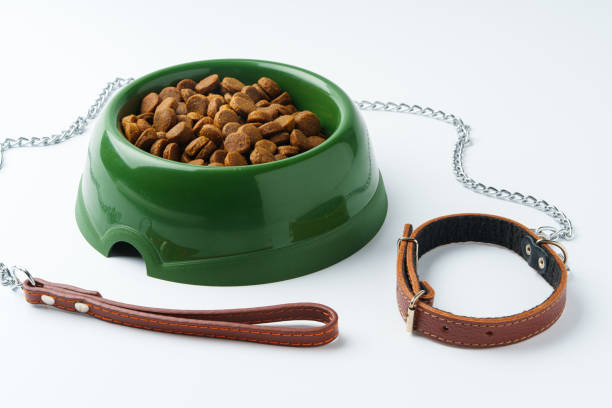
Creating a safe space for pets to eat starts with high-quality manufacturing. Most pet owners focus on the design and color of a feeding dish. However, the real magic happens inside the heavy machinery of the factory. Using premium food-grade PP material ensures that injection-molded pet bowls remain non-toxic. This guide breaks down the five-step process of turning raw plastic into a finished product. We explore how precision engineering guarantees safety for your furry friends.
1. Step 1: Feeding the Raw Pellets
The process begins with small, translucent beads known as food-grade Polypropylene (PP). Consequently, workers load these raw particles into a large hopper above the machine. Furthermore, a vacuum system ensures that no dust or debris enters the feed. This purity is vital for maintaining “food-grade” certification from the very start. Therefore, the material remains untainted before it even enters the heating chamber.
2. Step 2: The Melting Phase and Temperature Control
Inside the barrel, a large rotating screw pushes the pellets forward.
The Critical Balance of Heat
Heating elements wrap around the barrel to melt the plastic into a liquid. Consequently, the machine must maintain an exact temperature range for PP material. If the heat is too high, the material will degrade and release toxins. Furthermore, low temperatures cause the plastic to become too thick to flow correctly. Therefore, precise thermal sensors are the heart of making injection-molded pet bowls.
3. Step 3: High-Pressure Injection
Once the plastic is molten, the screw acts like a giant syringe.
Filling the Cavity Rapidly
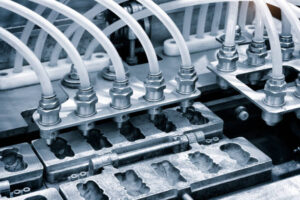
The machine injects the liquid plastic into a steel mold at incredible speeds. Consequently, the material reaches every corner of the bowl design within milliseconds. If the pressure is insufficient, the bowl will have “short shots” or missing edges. Furthermore, high-pressure ensures the bowl has a smooth and non-porous surface. This makes the final product much easier for pet owners to clean.
4. Step 4: Cooling and Solidification
The liquid plastic must turn back into a solid before the mold can open.
The Importance of Mold Cleanliness
Cooling channels inside the steel mold circulate water to absorb the heat. Consequently, the injection-molded pet bowls take their final shape and strength. Furthermore, the mold surface must be perfectly polished and free of oil. Any residue on the mold could transfer to the plastic and compromise safety. Therefore, regular cleaning protocols are mandatory for food-contact items.
5. Step 5: Ejection and Quality Inspection
In the final step, the mold opens, and pins push the bowl out.
Ready for the Meal
The finished bowl drops onto a conveyor belt for a final human inspection. Consequently, any bowl with sharp edges or bubbles is immediately recycled. Furthermore, the smooth finish prevents bacteria from hiding in microscopic cracks. This ensures the bowl is 100% safe for daily use by dogs and cats. Therefore, the journey from pellet to bowl ends with a perfect, durable product.
Conclusion: Engineering Safety into Every Bite
Pet health depends on the quality of the materials we use every day.
Stop settling for low-quality plastic products that might contain hidden chemicals. Instead, trust the science behind professional injection-molded pet bowls. Consequently, you provide a clean and healthy environment for every pet’s mealtime. Experience the durability and safety that only precision molding can offer today. Your pets deserve a bowl that is as pure as their love for you.

Add comment