

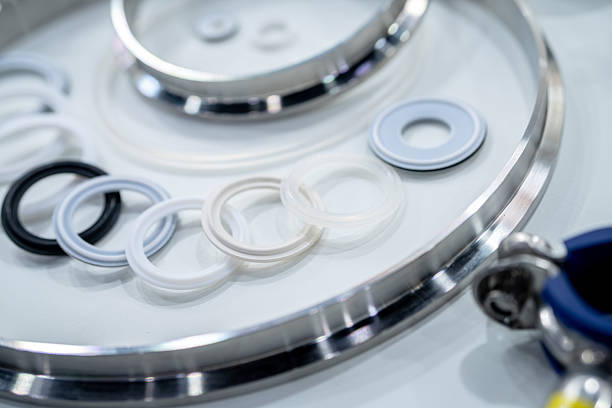
Manufacturing flawless custom liquid silicone rubber (LSR) components requires managing material science alongside mechanical and thermal properties. Factory quality control inspectors frequently encounter frustrating surface defects like microscopic blisters, surface pitting, or localized structural whitening. Discovering these surface imperfections late in your production timeline can cause expensive part scrap rates and delay critical shipments.
Sourcing high-performance liquid silicone rubber molding solutions resolves these structural aesthetics challenges completely. These cosmetic anomalies stem from a combination of raw component traps and unoptimized tool mechanics rather than simple material contamination. This comprehensive engineering guide explores why bubbles form, what causes whitening, and how to calibrate your injection systems for pristine output.
1. Pinpointing the Root Causes of Silicone Surface Bubbles
Trapped gaseous pockets break the physical continuity of cured elastomeric structures, leading to aesthetic failures and structural weaknesses:
 Inadequate Venting: [Trapped Air Pocket] ──> High Hydraulic Pressure ──> ❌ Compressed Void In Wall
 Unmixed Components: [Uneven A/B Matrix] ──> Localized Gas Evolution  ──> ❌ Microscopic Foam Cluster
Air Entrapment Inside the Mold Cavity
The primary catalyst behind modern surface blistering involves inadequate mold venting pathways during high-speed injection strokes. As the raw polymer streams fill the narrow channels, the moving material front pushes existing air toward the back walls. If the tooling blocks lack precision relief escapes, the compressed gas mixes directly into the hot liquid compound.
Moisture and Low-Molecular Volatiles
Raw silicone polymers can absorb ambient moisture if operators store the compound drums in high-humidity mixing rooms. During the high-temperature curing phase, this trapped water expands rapidly into micro-steam bubbles inside the vulcanizing matrix. Furthermore, unvented low-molecular-weight volatiles can vaporize under intense heat, leaving tiny pockets behind as the part cures.
Improper Two-Component A/B Static Mixing
Liquid silicone rubber requires precise 1:1 volumetric dosing through an automated static mixing manifold before entering the barrel. If the mixing unit suffers from internal pressure drops, the two material components will not blend completely. This chemical imbalance creates localized gaps that generate tiny gas clusters during the thermal cross-linking reaction.
2. Advanced Technical Solutions to Eradicate Molding Voids
Resolving continuous bubbling defects requires implementing structural venting updates along with targeted machine process modifications:
| Engineering Correction Method | Specific Technical Action Plan | Primary Targeted Benefit |
| Precision Mold Venting Slots | Grind peripheral vents measuring 0.01–0.03 mm deep | Releases trapped pocket gases without flash |
| Multi-Stage Injection Control | Program slow initial injection speeds, ramping up later | Prevents material turbulence near entry gates |
| Pre-Injection Vacuum Degassing | Apply high-vacuum degassing cycles to raw drums | Removes micro-air bubbles before delivery |
| Active Tool Vacuum Extraction | Install automated vacuum pumps on core plates | Pulls air out of the cavity before injection |
3. Decoding the Mechanical Origins of Localized Whitening Spots
The appearance of localized whitening spots often confuses factory operators because the defect looks like chemical contamination.
                  Thermal Air Compression Sequence:
 ┌──────────────────────────────────────────────────────────────────────┐
 │ Step 1: Trapped air moves into tight deep corners during injection.  │
 ├──────────────────────────────────────────────────────────────────────┤
 │ Step 2: High hydraulic pressure compresses the air pocket rapidly.   │
 ├──────────────────────────────────────────────────────────────────────┘
 Result: Localized scorching creates white spots or visible burn marks.
When moving silicone seals off an air pocket inside a tight corner, the machine pressure compresses that air gap instantly. This rapid gas compression triggers an immediate thermal spike, reaching temperatures far above normal vulcanization limits.
This extreme localized heat scorches the surrounding polymer matrix, creating a cloudy white spot or a visible burn mark. Therefore, toolmakers must prioritize active vacuum extraction systems to remove the air before the silicone can trap it.
 4. Implementing Active Tooling Vacuum Systems for Flawless Output
 4. Implementing Active Tooling Vacuum Systems for Flawless Output
Relying on passive perimeter vents is often not enough when processing complex geometries or variable-thickness walls.
 Passive Vents Only ──> Material Blocks Escapes ──> ❌ Traps Gas Pockets in Pockets
 Active Core Vacuum  ──> Sucks Out Air Volume   ──> ♻️ Ensures Clean, Dense Fills
Advanced liquid silicone rubber molding setups integrate a high-capacity vacuum shroud system directly into the mechanical clamping press. The machine seals the mold faces together and pulls a complete vacuum inside the cavities before opening the injection valve.
By removing the air volume completely, the liquid silicone flows smoothly into intricate rib shapes without encountering resistance. This clean, air-free fill eliminates air traps and white spots, allowing you to run fast, continuous automated cycles safely.
Conclusion: Maximize Your Elastomer Sourcing Efficiency
Achieving consistent commercial success in competitive medical and industrial markets begins with choosing injection molding solutions that deliver both precision and reliable cosmetic quality. By minimizing scrap rates, surface blisters, white burn marks, and other molding defects, manufacturers can reduce production costs while improving product consistency. Advanced liquid silicone rubber molding systems, combined with optimized mold cores, efficient vacuum channel design, and precise process control, provide the structural integrity, dimensional accuracy, and clean surface finishes required for high-volume production. Investing in the right molding technology today helps build a stronger product portfolio and supports long-term manufacturing efficiency and market competitiveness.
Contact the WIN WIN technical engineering group today to review your part drawings and secure your next wholesale production contract.




Add comment