

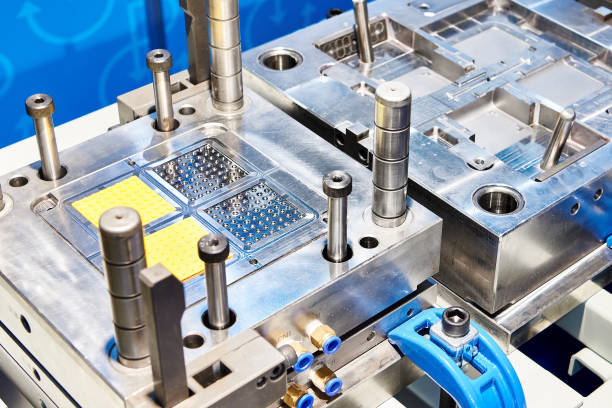
Product development managers, industrial procurement specialists, and plastic component buyers frequently navigate complex tooling specifications when initiating a new production run. Because tool design directly dictates your piece price and upfront capital expenditure, selecting the optimal mold gate system design stands as a critical decision during the mold engineering phase. Consequently, purchasing agents often approach mold quotes with financial caution, asking a highly practical question: “Our molding vendor strongly recommends upgrading to a hot runner system to reduce raw material waste, but the tooling costs significantly more than a traditional setup. Does the material savings of a hot runner mold truly justify the steeper upfront investment, and where is the exact break-even point for our production volumes?”
Selecting an incorrect gating system can either lock your business into high per-part manufacturing waste or saddle a low-volume project with unnecessary tooling debt that stalls your return on investment. Conversely, matching your production volume and plastic resin grade to the correct flow path maximizes manufacturing efficiency. This comprehensive B2B engineering guide analyzes the structural differences between hot and cold runner systems, quantifies the break-even dynamics of material waste, and provides a clear strategic purchasing framework for your custom molding projects.
1. The Core Mechanical Difference: Flow Path Physics and Waste Generation
To make an informed sourcing decision, your procurement team must first understand how both runner systems manage molten plastic during the injection cycle. The runner is the channel that guides liquefied plastic from the molding machine’s nozzle into the individual mold cavities where your part takes shape.
The Cold Runner Framework: Simple but Scrap-Heavy
In a traditional cold runner setup, the mold channels remain unheated. During each injection cycle, the plastic inside these channels cools and solidifies right along with the actual product. When the mold halves open, the machine ejects a solid plastic “sprue” or “runner tree” alongside your finished parts.
While operators can sometimes grind down and recycle this scrap plastic, the recycling process introduces contamination risks, color consistency issues, and extra labor costs. Furthermore, many high-spec industries—such as medical device manufacturing and aerospace electronics—ban the use of recycled regrind entirely, meaning every gram of cold runner scrap represents a direct material loss.
The Hot Runner Framework: Heated and Waste-Free
A hot runner system utilizes an internal manifold block heated by electrical coils or cartridges to keep the plastic inside the runner channels continuously molten. Because the plastic inside these flow paths never solidifies, the machine only ejects the completed plastic parts when the mold opens. This advanced setup achieves massive injection molding waste reduction by eliminating runner scrap entirely, saving expensive raw materials and speeding up your cycle times.
2. The Sourcing Balance Sheet: Quantifying Tooling Costs vs. Material Scrap Savings
Determining whether to invest in a hot runner system requires completing a straightforward Return on Investment (ROI) calculation based on three primary variables: mold cost premium, resin price per kilogram, and total production volume.
[Tooling Upfront Cost]      ---> Cold Runner: Low Cost | Hot Runner: High Premium
[Scrap & Raw Material Cost] ---> Cold Runner: High Waste | Hot Runner: Zero Scrap
[Ideal Production Volume]   ---> Cold Runner: < 50k Parts | Hot Runner: 100k+ Runs
When to Choose a Cold Runner System (Low-Volume & Budget Constraints)
If your project targets a short production run—typically under 20,000 to 50,000 total parts—or utilizes inexpensive, commodity plastics like Polypropylene (PP) or Polyethylene (PE), a cold runner system is usually the most economical choice. The lower tooling cost of a cold runner mold protects your initial capital, making it much easier to recoup your development costs on low-volume or seasonal products.
When to Invest in a Hot Runner System (High-Volume & Engineering Resins)
For multi-year projects, high-volume production runs exceeding 100,000 units, or parts molded from expensive engineering-grade plastics (such as PEEK, Ultem, or Polycarbonate/ABS blends), a hot runner system is highly advantageous. Because these high-performance materials carry premium price tags, even a small reduction in runner scrap saves thousands of dollars over time.
Additionally, hot runner systems eliminate the cycle time needed to cool thick plastic sprues, which speeds up your overall production rate. In high-volume operations, these combined material and time savings typically offset the higher initial tooling cost within the first few months of production.
Runner System Selection Framework
| Critical Decision Factors | Cold Runner Tooling | Hot Runner Tooling |
| Initial Tooling Cost | Low to moderate budget requirements | Premium investment; requires manifold heaters |
| Runner Scrap Waste | High; produces solid plastic sprue trees | Zero; keeps plastic molten inside channels |
| Cycle Time Efficiency | Slower; must wait for thick sprues to cool | Faster; only cools the actual product walls |
| Ideal Resin Grade | Cheap commodity plastics (PP, PE, PS) | Expensive engineering resins (PEEK, PC, Nylon) |
| Post-Processing Labor | Requires manual or robotic gate trimming | Ejects clean, pre-trimmed parts automatically |
| Break-Even Volume | Best for runs under 50,000 units | Highly profitable for runs over 100,000 units |
3. Strategic Technical Checkpoints for Corporate Tooling Procurement
Sourcing managers can protect their manufacturing budgets and secure maximum tool life by checking three technical benchmarks before approving mold designs:
-
Insist on a Comprehensive Mold Flow Analysis: Require your molding supplier to provide a digital Moldflow simulation before cutting steel. This test verifies that the proposed mold gate system design balances pressure evenly across all cavities, preventing structural part warpage and cosmetic gate blemishes.
-
Audit the Heating Manifold Components: Ensure the factory utilizes premium, internationally recognized hot runner manifold brands (such as Yudo, Husky, or Synventive). Sourcing name-brand heating components ensures you can easily buy replacement parts locally, preventing long, costly production delays if a heater band fails.
-
Confirm Gating Style Compatibility: Work with your engineers to select the best gate style for your material. While valve gate hot runners provide clean, blemish-free finishes on visible cosmetic parts, standard open-tip hot runners offer a highly cost-effective option for hidden structural components.
Conclusion: Future-Proof Your Custom Plastic Manufacturing
In conclusion, scaling a successful commercial product line requires selecting a mold runner configuration that aligns perfectly with your production volume and material costs.
Stop risking your development capital, component unit prices, and assembly timelines on mismatched tooling setups that generate excessive plastic waste or inflate your initial machinery costs. Upgrading your custom tooling specifications to our high-efficiency mold gate system design configurations guarantees maximum material utilization, rapid cycle times, and excellent part quality across every production run. We analyze every part geometry and simulate every flow path to ensure your manufacturing assets deliver a rapid return on investment. Contact our custom molding engineering division today to submit your 3D CAD files and receive a detailed tooling optimization quote.





Add comment