

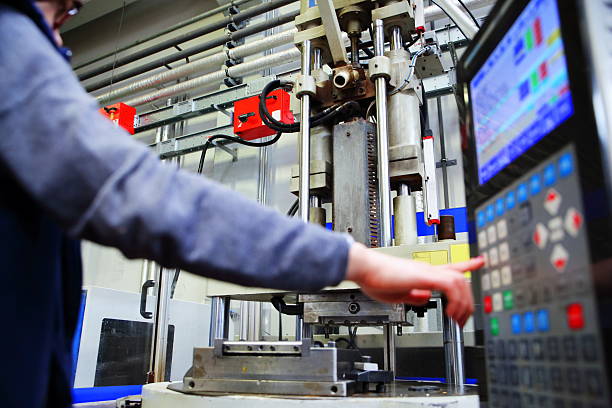
When manufacturers are familiar with plastic injection molding, they often ask: “Plastic molds use hot runner systems to reduce waste. Why does liquid silicone rubber (LSR) injection molding use a cold runner system instead?”
The answer comes from the fundamental difference between thermoplastic and thermoset materials.
Unlike plastic materials that can be melted and remelted, liquid silicone rubber (LSR) cures through a chemical cross-linking reaction. Temperature control must separate material flow from curing.
The LSR cold runner system keeps silicone material cool during delivery while the mold cavity is heated for vulcanization. This cold-to-hot separation prevents premature curing and ensures stable production.
How Does the LSR Curing Mechanism Determine Runner Design?
Why Cannot LSR use a Traditional Hot Runner System?
LSR behaves differently from conventional thermoplastic materials.
In plastic injection molding:
- Material is heated to melt
- Melt flows through hot runners
- Cooling occurs inside the mold cavity
However, LSR follows a different process:
- Two-component silicone materials are mixed.
- The liquid silicone remains flowable at low temperatures.
- Heat activates the cross-linking reaction.
- The material cures into an elastic silicone product.
Because LSR cures when exposed to heat, maintaining the correct temperature balance is essential.
A traditional hot runner system would create excessive heat inside the runner channel, causing silicone to cure before reaching the mold cavity.
What Is the Temperature Control Principle of an LSR Cold Runner System?
How Does Cold Runner and Heated Mold Work Together?
The core principle of liquid silicone injection molding temperature control is creating two separate temperature zones.
| System Area | Typical Temperature Range | Function |
|---|---|---|
| Cold Runner System | Approximately 20-50°C | Keeps LSR flowing without curing |
| Mold Cavity | Approximately 160-220°C | Activates silicone vulcanization |
The cold runner maintains the silicone material in a liquid state during transportation.
After entering the heated cavity, the material quickly undergoes cross-linking and forms the final product.
This temperature separation is the foundation of stable LSR molding.
What Is the Engineering Value of Cold Runner Technology?
How Does a Cold Runner Prevent Silicone Blockage?
The main purpose of an LSR cold runner system is to prevent premature material curing.
During production:
- Mixed LSR enters the cold runner.
- The low-temperature channel prevents chemical reaction.
- Material reaches the heated cavity.
- The mold temperature triggers rapid curing.
Without this separation, silicone may begin curing inside the runner.
Premature curing can cause:
- Blocked injection channels
- Increased machine downtime
- Difficult maintenance
- Material waste
- Unstable production cycles
Therefore, cold runner technology is not simply a material-saving choice. It is a necessary process design for LSR molding.
Why Does LSR Require Different Temperature Management From Plastic Injection?
LSR vs Thermoplastic Injection Molding Process
The difference mainly comes from material characteristics.
| Comparison Factor | LSR Injection Molding | Thermoplastic Injection Molding |
|---|---|---|
| Material Type | Thermoset elastomer | Thermoplastic polymer |
| Heating Behavior | Heat triggers permanent curing | Heat melts material temporarily |
| Runner Requirement | Cold runner preferred | Hot runner commonly used |
| Mold Temperature | High temperature for curing | Usually cooling after filling |
| Recycling Method | Limited after curing | Easier material remelting |
LSR belongs to the thermoset molding process category, meaning once cured, the material cannot return to its original liquid state through heating.
This is why controlling the curing point is critical.
Does a Cold Runner System Increase Material Waste?
How Does LSR Manage Runner Material Loss?
One common concern is that cold runners create additional silicone waste.
Compared with hot runner systems, cold runner designs may produce some runner material. However, modern LSR molding technology reduces material waste through:
- Precision injection control
- Automated dosing systems
- Optimized runner design
- Reduced flash formation
In some production conditions, cured silicone runner material can also be collected and processed according to applicable recycling methods.
The overall material efficiency depends on:
- Mold design
- Product geometry
- Injection parameters
- Production automation level
What Are the Advantages of Modern LSR Cold Runner Systems?
Why Do Manufacturers Prefer Cold Runner Technology?
A well-designed LSR cold runner system provides several production advantages:
Stable Material Flow
Maintains consistent silicone viscosity before curing.
Reduced Production Interruptions
Prevents runner blockage caused by premature vulcanization.
Improved Product Consistency
Ensures each cavity receives properly controlled material.
Better Automation Compatibility
Supports high-volume manufacturing with automatic injection systems.
These advantages make cold runner technology widely used in applications requiring high precision and reliability.
What Factors Should Buyers Consider for LSR Injection Molding?
LSR Mold Design Evaluation Checklist
When selecting an LSR injection molding service, manufacturers should evaluate:
| Evaluation Factor | Key Considerations |
|---|---|
| Runner System Design | Is the cold runner temperature properly controlled? |
| Temperature Management | Can the system maintain stable cold and hot zones? |
| Injection Accuracy | Are material ratios and flow controlled precisely? |
| Mold Structure | Does the cavity design support uniform curing? |
| Automation Capability | Can the system support continuous production? |
A professional silicone molding supplier should provide technical explanations of runner design and temperature control strategy.
Why Cold Runner Is the Correct Choice for LSR Molding
The reason LSR cold runner systems replace hot runner systems is determined by the chemical properties of liquid silicone rubber.
LSR requires a controlled process where the material stays cool during delivery and cures only inside the heated mold cavity. This cold-to-hot separation prevents premature cross-linking, avoids runner blockage, and improves molding stability.
Although cold runners may generate some runner material, optimized mold design and automated production can maintain high material efficiency.
For manufacturers evaluating liquid silicone rubber injection molding, understanding temperature control and runner design is essential for selecting a reliable production solution.
WIN WIN provides customized injection molding solutions, including LSR molding technology, precision mold design, and manufacturing processes optimized for silicone product requirements.



Add comment