

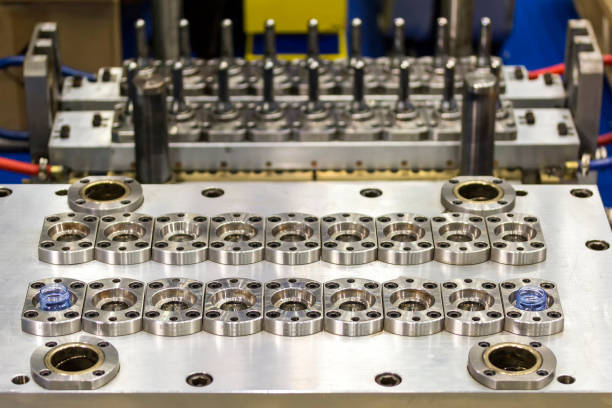
When designing an injection molding project, selecting the correct hot runner system directly affects product appearance, molding stability, production efficiency, and overall tooling performance.
Many customers ask: “There are open gate, valve gate, and multi-point hot runner systems. Which one is suitable for my product?”
The answer depends on:
- Product appearance requirements
- Mold cavity structure
- Production volume
- Material characteristics
- Gate mark requirements
A suitable hot runner system selection can reduce material waste, improve injection consistency, and solve complex molding challenges.
The three common solutions include:
- Open gate hot runner system
- Valve gate hot runner system
- Multi-point or multi-cavity hot runner system
Each design has different advantages and application scenarios.
What Is an Open Gate Hot Runner System?
How Does an Open Gate Work?
An open gate hot runner system uses a continuously open nozzle tip to allow molten plastic to flow directly into the mold cavity.
The structure is relatively simple:
Plastic melt → Heated manifold → Open nozzle → Mold cavity
Because there is no mechanical valve mechanism, the system has fewer components and lower maintenance requirements.
What Are the Advantages of Open Gate Hot Runner Systems?
The main benefits include:
- Simple structure
- Lower tooling cost
- Easy maintenance
- Stable operation for standard applications
Open gate systems are commonly used for products where gate appearance is not the primary concern.
Typical applications include:
- Internal plastic components
- Industrial parts
- Functional products
- Cost-sensitive injection molding projects
What Are the Limitations of Open Gate Systems?
Since the gate remains open during molding, some challenges may occur.
Possible issues include:
- Gate marks
- Material stringing
- Melt drooling after mold opening
- Additional process adjustment requirements
Proper temperature control and molding parameter optimization are necessary to reduce these effects.
For appearance-critical products, an open gate solution may not provide sufficient surface quality.
What Is a Valve Gate Hot Runner System?
How Does a Valve Gate Hot Runner Work?
A valve gate hot runner system uses a mechanical pin to control melt flow.
The valve pin opens and closes through:
- Pneumatic control
- Hydraulic control
- Servo-driven systems
During injection:
- The valve pin opens.
- Molten plastic enters the cavity.
- Before mold opening, the valve pin closes.
- The gate is sealed to prevent material leakage.
This controlled process provides better gate management compared with open gate designs.
Why Choose a Valve Gate Hot Runner System?
What Advantages Does Valve Gate Technology Provide?
The biggest advantage of valve gate technology is improved gate appearance.
Benefits include:
- Reduced gate marks
- Cleaner product surfaces
- Better control of injection timing
- Reduced material drooling
- Improved filling balance
A valve gate hot runner system is especially suitable for products where appearance quality is important.
Common applications include:
- Consumer electronics housings
- Automotive interior parts
- Medical plastic components
- High-end consumer products
Example: Valve Gate Application in Injection Molding
For products such as electrical socket panels, valve gate hot runner control can prevent molten plastic from continuing to flow after injection.
By accurately controlling gate opening and closing timing, the system improves:
- Surface appearance
- Dimensional consistency
- Production stability
This makes valve gate technology a preferred option for appearance-sensitive components.
What Is a Multi-Point or Multi-Cavity Hot Runner System?
How Does a Multi-Point Hot Runner System Work?
A multi-cavity hot runner system uses a manifold to distribute molten plastic to multiple nozzles.
The basic structure includes:
Plastic injection unit
→ Hot runner manifold
→ Multiple hot nozzles
→ Multiple mold cavities
This design allows one molding cycle to produce multiple parts or fill complex large products more effectively.
Why Are Multi Cavity Hot Runner Systems Used for Mass Production?
The main advantages include:
- Higher production efficiency
- Balanced material distribution
- Reduced cycle time
- Lower cost per part
Multi point hot runner systems are widely used for:
- High-volume manufacturing
- Multi-cavity molds
- Large plastic components
- Complex thin-wall products
How Does Multi Point Hot Runner Improve Difficult Molding?
Thin Wall Product Example
Some thin-wall products are difficult to fill because:
- Plastic flow distance is long
- Material viscosity is high
- Wall thickness is limited
For example, a television housing project using:
- 6 nozzles
- 8 gate points
- PC material
required precise melt distribution because PC has relatively poor flow characteristics.
The hot runner manifold helped improve:
- Filling balance
- Pressure distribution
- Molding stability
The overflow value was controlled to approximately 0.06 mm, improving final product quality.
Valve Gate Hot Runner vs Open Gate: Which One Should You Choose?
Hot Runner System Selection Based on Product Requirements
| Product Requirement | Recommended Hot Runner Solution |
|---|---|
| General plastic parts with low appearance requirements | Open Gate Hot Runner |
| High appearance products requiring clean surfaces | Valve Gate Hot Runner |
| High-volume production with multiple cavities | Multi Point Hot Runner System |
| Thin-wall complex products | Multi Cavity Valve Gate System |
The correct system depends on product requirements rather than simply equipment cost.
How to Select the Right Hot Runner System?
What Factors Should Injection Molding Buyers Evaluate?
Before selecting a hot runner system, consider:
1. Product Appearance Requirements
Ask:
- Is the gate mark visible?
- Is the product surface decorative?
- Does the customer require premium appearance?
High-visibility parts usually require valve gate technology.
2. Mold Cavity Design
Evaluate:
- Number of cavities
- Part size
- Filling distance
- Gate location
Large or multi-cavity molds often benefit from multi point systems.
3. Plastic Material Characteristics
Different materials have different flow behaviors.
Important factors include:
- Melt viscosity
- Processing temperature
- Thermal sensitivity
- Shrinkage behavior
Engineering plastics with poor flow performance often require optimized hot runner designs.
4. Production Volume
| Production Requirement | Suitable Solution |
|---|---|
| Small production volume | Open gate system |
| Medium to high quality requirements | Valve gate system |
| Large-scale production | Multi cavity hot runner system |
What Should Buyers Confirm Before Custom Injection Molding?
Hot Runner Procurement Checklist
When working with an injection molding supplier, buyers should confirm:
| Evaluation Item | Key Considerations |
|---|---|
| Gate Type | Open gate or valve gate requirement |
| Product Appearance | Acceptable gate mark level |
| Mold Structure | Cavity number and filling design |
| Material Compatibility | Plastic flow and temperature requirements |
| Control System | Pneumatic, hydraulic, or electronic control |
| Maintenance Requirements | Spare parts and service availability |
A professional custom injection molding service provider should recommend the hot runner configuration based on product design and manufacturing requirements.
Choosing the Right Hot Runner System Improves Injection Molding Results
The comparison of valve gate hot runner vs open gate does not have a single universal answer. Each system is designed for different production goals.
Open gate hot runner systems provide a simple and economical solution for standard applications. Valve gate hot runner systems offer better gate control and surface quality for appearance-critical products. Multi point hot runner systems improve efficiency for large-scale and multi-cavity production.
The best hot runner design depends on product appearance requirements, mold structure, material characteristics, and production volume.
WIN WIN provides customized injection molding solutions, supporting product development with optimized hot runner design, mold integration, and manufacturing process control.





Add comment