

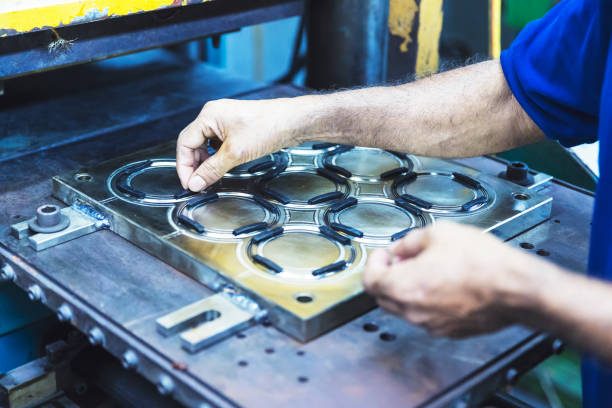
When selecting an injection molding process, many manufacturers ask: “Is my product suitable for a hot runner system? What factors determine whether hot runner injection molding is the right choice?”
The answer depends on product structure, production volume, material cost, and quality requirements.
Hot runner injection molding applications are widely used in industries such as automotive, consumer electronics, home appliances, medical devices, and packaging because the technology improves material utilization, production efficiency, and part appearance.
In 2024, automotive plastic component manufacturing represented the largest application segment of hot runner systems, accounting for approximately 41.80%, followed by consumer electronics at 20.52%, packaging at 15.05%, and home appliances at 10.58%.
Understanding suitable product characteristics helps manufacturers decide when a hot runner system provides real production advantages.
What Is a Hot Runner System in Injection Molding?
How Does Hot Runner Technology Work?
A hot runner system keeps plastic material in the runner channel at a controlled temperature during injection molding.
Unlike traditional cold runner systems, hot runners do not require the runner material to cool and be removed after molding.
The system mainly includes:
- Heated manifold
- Nozzles
- Temperature controllers
- Heating elements
- Sensors
During production, molten plastic flows directly from the heated manifold into the mold cavity.
This design reduces material waste and improves molding consistency for high-volume production.
Which Products Are Most Suitable for Hot Runner Injection Molding?
Why Does Production Volume Matter?
High production volume is one of the strongest reasons to choose hot runner technology.
For small quantities, the additional investment in a hot runner system may not always be economical.
However, as production volume increases, the benefits become more significant:
- Reduced plastic waste
- Shorter cycle time
- Lower material cost
- Improved automation efficiency
- More consistent part quality
For manufacturers producing hundreds of thousands or millions of parts, hot runner systems often provide better long-term cost efficiency.
What Product Features Require Hot Runner Technology?
Products Using Expensive Plastic Materials
Material cost is an important consideration.
Traditional cold runners create additional plastic waste because the runner system must be removed after molding.
Hot runner systems reduce or eliminate runner waste, making them suitable for products using:
- Engineering plastics
- High-performance polymers
- Transparent materials
- Specialty compounds
This is especially valuable in industries where raw material costs significantly affect production expenses.
Products With High Appearance Requirements
For products requiring premium surface quality, hot runner technology provides better control over gate location and appearance.
Typical applications include:
- Automotive interior components
- Electronic housings
- Cosmetic packaging
- Consumer products
Advantages include:
- Reduced gate marks
- Better surface finish
- Improved color consistency
- Reduced post-processing requirements
Large Thin-Wall and Complex Structures
Large thin-wall parts are often difficult to fill evenly with conventional injection methods.
Hot runner systems allow multiple injection points to distribute molten plastic more effectively.
Benefits include:
- Balanced filling
- Reduced pressure requirements
- Lower risk of short shots
- Better dimensional stability
This makes hot runner systems suitable for:
- Large appliance housings
- Automotive panels
- Electronic frames
- Large plastic containers
Precision Plastic Components
Precision parts require stable molding conditions.
Hot runner systems can help reduce common molding defects, including:
- Uneven shrinkage
- Warping
- Weld line issues
- Color variation
For industries requiring tight tolerances, such as medical and electronics, process stability is a key reason to select hot runner injection molding.
Which Industries Commonly Use Hot Runner Systems?
Automotive Hot Runner Systems
Automotive manufacturing is one of the largest application areas for hot runner technology.
Typical products include:
- Interior panels
- Instrument components
- Door trim parts
- Exterior plastic components
Automotive parts often require:
- Large mold sizes
- Complex structures
- High appearance standards
- Stable mass production
Automotive hot runner systems help manufacturers achieve consistent quality while reducing material waste.
Consumer Electronics Applications
Electronic products often combine:
- Thin walls
- Complex shapes
- High surface requirements
Examples include:
- TV housings
- Mobile device components
- Electronic frames
- Plastic covers
A multi-nozzle hot runner solution can improve filling performance for large thin-wall parts.
For example, a television housing mold using a 6-nozzle and 8-point gating design can solve filling challenges caused by thin frame structures.
Home Appliance Components
Home appliance plastic parts often require:
- Large dimensions
- Stable appearance
- High production volumes
Examples:
- Refrigerator components
- Washing machine housings
- Air conditioner parts
For materials with lower flow performance, such as certain PC applications, optimized hot runner layouts can improve melt distribution and molding stability.
Medical Plastic Products
Medical components require strict quality control.
Hot runner systems are commonly used for:
- Medical containers
- Laboratory products
- Disposable medical components
Benefits include:
- Reduced contamination risks
- Stable dimensions
- Lower material waste
- Consistent production quality
Packaging and Daily Products
Packaging is another important hot runner application area.
Common products include:
- Bottle caps
- Containers
- Food packaging
- Household plastic products
For high-volume products, hot runner systems improve production efficiency.
For example, a socket panel mold using a valve gate hot runner system can achieve stable large-scale production with improved surface quality.
Hot Runner vs Cold Runner: Which Products Need Hot Runner?
Application Comparison Guide
| Product Requirement | Recommended Solution |
|---|---|
| Low production volume | Cold runner may be sufficient |
| Millions of parts annually | Hot runner preferred |
| Expensive materials | Hot runner reduces waste |
| High appearance requirements | Hot runner improves surface quality |
| Large thin-wall parts | Hot runner improves filling balance |
| Precision components | Hot runner improves process stability |
How Does Hot Runner Improve Material Utilization?
Why Is Waste Reduction Important?
Material efficiency is one of the main advantages of hot runner molding.
In cold runner production:
Plastic enters:
- Runner channels
- Gates
- Mold cavities
After molding, runner material becomes waste or requires recycling.
Hot runner systems deliver material directly into cavities, improving utilization.
For example, a logistics box handle mold using a valve gate hot runner system increased material utilization from approximately 75% to 97% by reducing runner waste.
How to Decide If Your Product Needs a Hot Runner System?
Hot Runner Selection Checklist
Before choosing a hot runner injection molding solution, manufacturers should evaluate:
| Evaluation Factor | Key Considerations |
|---|---|
| Production Volume | Is annual demand high enough to justify investment? |
| Material Cost | Is plastic material expensive? |
| Product Appearance | Are gate marks unacceptable? |
| Part Structure | Is the design large, thin-wall, or complex? |
| Precision Requirements | Are dimensional tolerances strict? |
| Mold Design | Can the mold support hot runner integration? |
A professional injection molding supplier should evaluate the complete product design instead of recommending hot runner systems for every project.
Choosing the Right Injection Molding Technology Starts With Product Requirements
Hot runner technology is not required for every injection molding project. Its advantages become most valuable when products require high production volume, material savings, complex structures, precision control, or premium appearance quality.
From automotive components and electronic housings to medical products and packaging parts, hot runner injection molding applications continue expanding because they improve efficiency and reduce production waste.
The correct choice depends on product geometry, material characteristics, production scale, and quality requirements.
WIN WIN provides customized injection molding solutions, helping manufacturers evaluate molding processes, mold structures, and production requirements to achieve efficient and stable plastic part manufacturing.



Add comment