

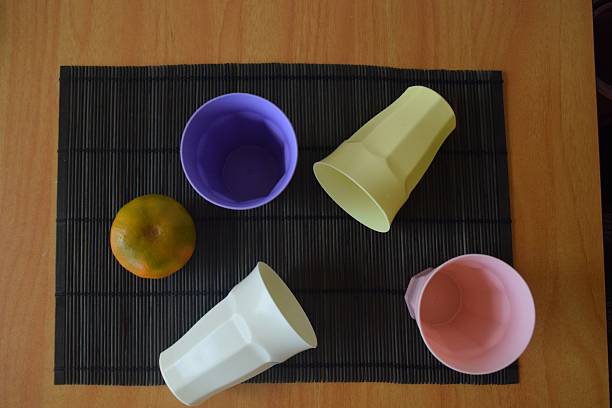
Manufacturing high-end dinnerware requires strict control over raw material chemistry and machinery physics. Unlike traditional thermoplastics, Melamine Formaldehyde (MF) resin behaves as a thermosetting polymer. This material undergoes an irreversible chemical cross-linking reaction during processing.
For this reason, factory operators cannot simply melt and remold the scrap material. Achieving a flawless, scratch-resistant surface finish requires mastering three interconnected processing variables. This expert technical guide breaks down the essential melamine tableware injection molding parameters to help you maximize your production efficiency.
1. The Golden Triangle: Essential Process Parameters
To manufacture premium-grade dinnerware consistently, your technical team must balance four critical machine settings. Review this comprehensive engineering matrix to optimize your factory floor setup:
| Crucial Processing Parameter | Standard Operational Range | Direct Physical Impact on Final Product |
| Material Pre-Heating Temp | 150°C to 200°C | Too low stops plasticization; too high scorches resin. |
| Hydraulic Mold Pressure | 15 to 30 MPa | Controls material density and eliminates surface bubbles. |
| Thermosetting Curing Time | 30 to 40 seconds | Dictates cross-linking levels and ensures clean ejection. |
| Steel Mold Temperature | 165°C to 190°C | Controls final surface gloss and chemical curing speeds. |
2. Fine-Tuning the Thermal Profile Across Injection Stages
Processing thermosetting polymers requires creating a highly precise thermal gradient across the entire machine barrel.
[Feed Zone: 65°C-90°C] ──> [Nozzle Zone: 90°C-110°C] ──> [Hot Mold: 165°C-190°C] ──> ♻️ Full Polymer Cross-Linking
-
The Feed Zone: Maintain the entry throat temperature strictly between 65°C and 90°C. This mild heat prepares the raw material powder without triggering premature solidification inside the screw flights.
-
The Nozzle Zone: Increase the nozzle temperature to a range of 90°C to 110°C. This setting lowers fluid viscosity, allowing the compound to flow smoothly through the gate channels.
-
The Cavity Matrix: Heat the solid steel mold to a high 165°C to 190°C environment. This high thermal zone supplies the activation energy needed to lock the polymer chain network together forever.
3. Root Cause Analysis: Eliminating Blisters and Air Bubbles
Surface blistering stands as the most common defect during high-volume melamine tableware injection molding runs.
 Loose Powder Packing + Poor Gas Venting ──> Trapped Volatiles ──> ❌ Weak Surface Blisters
 Compact Pre-Pressing + Active Degassing  ──> Solid Resin Matrix ──> ♻️ Flawless Mirror Finish
These ugly voids typically develop when raw powder feeds into the mold cavity with poor compaction. Additionally, the cross-linking reaction naturally releases water vapor and chemical gases as byproducts.
If your machine cycle lacks an active degassing pause, these hot gases become permanently trapped under the surface skin. To eliminate this issue, program a brief “breathe cycle” right after initial mold closure. This quick pressure release lets trapped gases escape, ensuring a high-density, crystal-clear finish.
4. The Commercial Value of Patented Curing Synchronization
Optimizing your curing time thermosetting parameters provides massive economic advantages for large-scale manufacturing facilities.
                  Traditional vs. Synchronized Thermal Molding:
   ┌──────────────────────────────────────────────────────────────────┐
   │ Old Method: Uses cold powder inputs, requiring 60s cure times.  │
   ├──────────────────────────────────────────────────────────────────┤
   │ WIN WIN Method: Pre-plasticizes at 115°C, dropping cure to 30s.  │
   └──────────────────────────────────────────────────────────────────┘
Standard factory setups often run long 60-second curing cycles to ensure thick plates solidify completely. However, modern advanced techniques use a synchronized pre-plasticizing sequence that warms the compound to 115°C–130°C before injection.
This smart thermal boost shortens the final in-mold curing cycle down to just 30 to 40 seconds. Cutting your cycle time in half increases your daily production output significantly without requiring extra machinery investments. You save valuable electrical energy while delivering incredibly durable, food-safe products to your global clients.
Conclusion: Future-Proof Your Dinnerware Production Lines
Winning high-volume supply contracts requires utilizing modern manufacturing hardware that controls temperature and pressure parameters perfectly.
Stop wasting your raw material budgets on unoptimized molding methods that cause surface blisters and slow down your output. Upgrading your factory floor to our advanced melamine tableware injection molding systems gives your team the absolute precision needed to pass strict international durability checks. We engineer every machine component to ensure maximum runtime and consistent, premium results across every production batch.
Contact the WIN WIN technical engineering team today to review your factory blueprints and optimize your manufacturing setup.


Add comment