

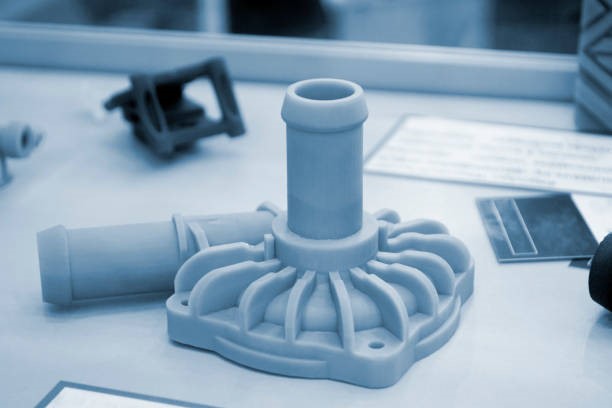
In advanced manufacturing, success often depends on mastering how materials respond to temperature. When it comes to Liquid Silicone Rubber (LSR), many engineers mistakenly apply the same logic used in thermoplastic molding. However, LSR processing follows a completely different thermal philosophy. In fact, LSR “cold runner” systems operate in direct contrast to the “hot runner” systems used for traditional plastics. Therefore, understanding this thermal reversal becomes essential for achieving consistent quality, minimizing waste, and maximizing production efficiency.
1. The Thermal Reversal: Opposite Approaches to Heat Management
At the core of this distinction lies how each material behaves under temperature changes.
Thermoplastics: Heat Enables Flow
Conventional plastics remain solid at ambient temperatures and only become processable when heated. As a result, hot runner systems actively maintain the material in a molten state as it travels through the injection system. Meanwhile, the mold cavity stays relatively cool to rapidly solidify the plastic into its final shape. Consequently, the entire process focuses on sustaining heat within the flow channels while promoting cooling at the mold surface.
LSR: Cooling Preserves Flow
In contrast, LSR behaves in the opposite manner. It naturally exists as a liquid at room temperature and begins to cure only when exposed to heat. Therefore, during liquid silicone rubber molding, manufacturers must actively prevent premature curing before the material reaches the mold cavity. To achieve this, cold runner systems utilize water-cooled channels to keep the silicone at a stable, low temperature. As a result, the material remains fluid throughout the delivery stage and only solidifies once it enters the heated mold cavity.
2. Zero Waste Efficiency: Maximizing Value with Cold Runner Systems
In modern LSR manufacturing, efficiency and sustainability go hand in hand. One of the most compelling advantages of this technology lies in its ability to virtually eliminate material waste, making production both cost-effective and environmentally responsible.
Continuous Material Reuse
In a cold runner system, the silicone within the runner channels does not undergo vulcanization. As a result, it remains in a liquid state and is immediately ready for the next injection cycle. Unlike traditional molding methods, you do not need to cut, trim, or discard excess material such as sprues or runners.
Moreover, this streamlined process significantly reduces raw material waste while simplifying post-production handling. Consequently, manufacturers not only lower their environmental impact but also achieve substantial cost savings—especially when working with high-value liquid silicone. Ultimately, adopting cold runner technology allows you to optimize both production efficiency and long-term profitability.
3. Preventing Premature Vulcanization Through Nozzle Separation
Maintaining precise thermal control is essential in liquid silicone rubber (LSR) molding, especially when preventing premature curing—or “scorching”—within the injection system. Without proper management, heat buildup can quickly lead to blockages and inconsistent production.
Innovative Self-Demolding Nozzle Design
To address this challenge, LSR molds incorporate a specialized nozzle separation mechanism. Immediately after injection, the system actively separates the cold nozzle tip from the heated mold plate. As a result, this physical gap creates an effective thermal barrier that stops heat from flowing back into the cold runner system.
Moreover, by isolating the nozzle from residual heat during the curing phase, the design prevents silicone material from beginning to vulcanize inside the delivery tip. Consequently, each new injection cycle starts with fresh, fully liquid silicone, ensuring consistent flow and product quality.
Ultimately, this advanced nozzle separation strategy not only improves process stability but also enhances production efficiency by minimizing downtime caused by material blockage or cleaning interruptions.
4. Strategic Benefits of LSR Cold Runner Systems
| Feature | Plastic Hot Runner | LSR Cold Runner |
| Material Reaction | Solidifies when cooled | Solidifies when heated |
| Waste Level | Moderate to High | Near Zero |
| Control Priority | Precise Heating | Precise Cooling |
| Cycle Stability | High | Extremely High |
Consequently, cold runner systems allow for fully automated, 24/7 production lines. Furthermore, they support high-cavitation molds for massive production volumes. Liquid silicone rubber molding achieves incredible precision with this specialized tooling. Therefore, investing in high-quality cold runner design is the key to long-term success.
Conclusion: Master the Flow of Liquid Silicone
Achieving excellence in LSR production requires more than standard molding knowledge—it demands precise control over thermal behavior and material flow. Rather than relying on outdated plastic molding practices that limit performance, manufacturers should adopt a more specialized and forward-thinking approach.
By implementing a dedicated cold runner system, you actively enhance process efficiency while significantly reducing material waste. As a result, each molded component achieves higher consistency, improved surface quality, and greater dimensional accuracy. Moreover, this advanced strategy supports stable production cycles and long-term cost optimization.
Now is the time to elevate your manufacturing capabilities. With professional LSR tooling and optimized process control, you ensure that every product meets the highest standards of quality and performance. Ultimately, your designs deserve a production method that matches their innovation and precision.


Add comment