

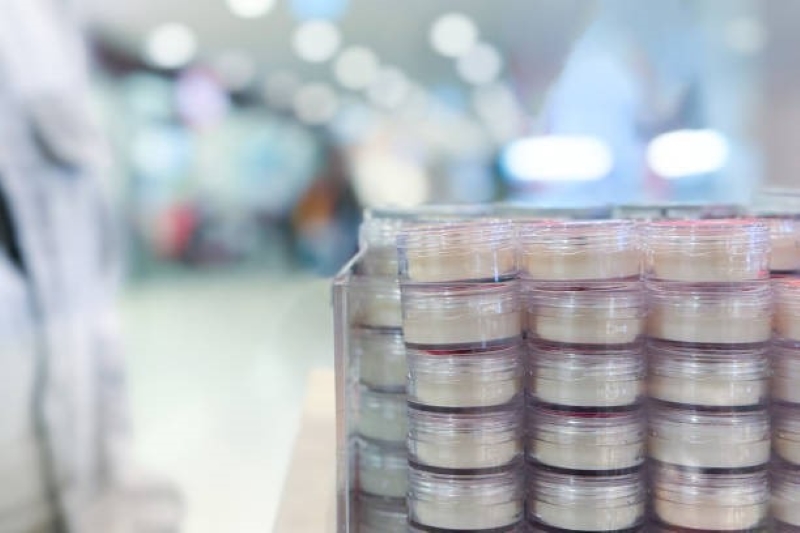
Selecting the ideal polymer substrate determines the market success of your premium packaging line. Brand managers often prioritize shelf aesthetics during the initial concept phase. However, procurement teams must carefully analyze complex material science variables before launching mass production.
Factors like structural transparency, thermal barrier thresholds, and chemical compatibility dictate real-world performance. Choosing the wrong plastic resin causes structural warping, product discoloration, or severe container leakage. This comprehensive engineering guide compares the three dominant polymers used to manufacture high-end injection molded jars.
1. The Material Science Matrix: Comparing Polymer Performance
Each thermoplastic resin features unique molecular characteristics that alter how the finished container protects your product formulations. Use this engineering matrix to match your specific contents with the ideal material:
| Material Science Metric | Polyethylene Terephthalate (PET) | High-Density Polyethylene (HDPE) | Polypropylene (PP) |
| Optical Clarity Level | Glass-Like Transparency (Excellent) | Opaque / Translucent (Low) | Semi-Translucent (Moderate) |
| Thermal Deflection Limit | Moderate (70℃ Standard / 90℃ Enhanced) | Good (110℃ Maximum) | Excellent (130℃ Maximum) |
| Gas & Moisture Barrier | Superior Carbon & Oxygen Resistance | Excellent Moisture Resistance | High Chemical Resistance |
| Circular Recycling Profile | Outstanding (Global RIC 1 Pipeline) | Excellent (Global RIC 2 Pipeline) | Good (Global RIC 5 Pipeline) |
| Ideal Content Compatibility | Premium cosmetics, vitamins, and food jars | Medical tablets, aggressive cleaners | Hot-fill food, heavy salon creams |
2. Engineering PET for Hot-Fill Manufacturing Applications
Standard Polyethylene Terephthalate features brilliant optical clarity, making it highly desirable for premium retail brands. However, unoptimized PET softens rapidly when exposed to high-temperature filling lines.
 Standard PET + Hot Fill (>70°C)  ──> Uncontrolled Stress Release ──> ❌ Severe Container Deformation
 Heat-Set PET + Vacuum Rib Design ──> Controlled Thermal Expansion ──> ♻️ Maintains Perfect Structural Shape
To utilize this aesthetic metal-replacement polymer for hot-fill processes, molders must deploy advanced heat-setting technology. This process introduces secondary heating cycles inside the blow-mold cavity block. Consequently, the specialized treatment forces the micro-crystalline structure of the plastic to stabilize permanently.
Additionally, product designers must integrate specialized vacuum-compensation panels into the container walls. As the hot product cools inside the sealed container, it creates an intense internal vacuum. The engineering panels flex inward smoothly to absorb this pressure change, preventing the outer walls from collapsing.
3. Maximizing Product Shelf Life with Multi-Layer Barrier Technology
Sensitive organic compounds and active cosmetic ingredients degrade quickly when exposed to ambient oxygen or UV light.
                  Advanced Multi-Layer Barrier Matrix:
   ┌──────────────────────────────────────────────────────────────────┐
   │ Inner Structural Layer: Pure food-grade PET blocks moisture.     │
   ├──────────────────────────────────────────────────────────────────┤
   │ Core Functional Layer: Ultra-thin PEF film blocks gas ingress.   │
   ├──────────────────────────────────────────────────────────────────┤
   │ Outer Aesthetic Layer: Glossy, scratch-resistant PET face.       │
   └──────────────────────────────────────────────────────────────────┘
Standard mono-layer injection molded jars often fall short when protecting highly sensitive formulations over extended storage cycles. To solve this limitation, advanced co-injection machines create a highly effective multi-layer sandwich structure.
This layout pairs an inner and outer layer of crystal-clear PET with a thin, internal core layer of Polyethylene Furanoate (PEF). This advanced bio-based core material blocks gas transmission up to ten times better than standard options. This multi-layer approach stops ambient oxygen from spoiling your formulations while keeping the container lightweight and recyclable.
4. Sourcing Tailored Solutions for PP and HDPE Cosmetic Containers
If your product line contains aggressive essential oils or requires high-temperature sterilization, look toward alternative resins.
 Active Essential Oils ──> Penetrate Weak Acrylics ──> ❌ Stress Cracking & Product Leaks
 High-Chemical Inert PP ──> Resists Solvent Interaction ──> ♻️ Safe, Long-Term Formulation Stability
A premium PP cosmetic container provides outstanding chemical resistance against acidic formulas, alcohol bases, and volatile solvents. Polypropylene does not experience environmental stress cracking when exposed to heavy lipids or concentrated salon oils.
Similarly, utilizing an industrial-grade PET jar vs HDPE configuration allows medical brands to package moisture-sensitive pills safely. High-density polyethylene completely blocks outside ambient water vapor from sneaking through the container walls. This reliable moisture shield keeps your powders and tablets completely dry, protecting product potency over long transit cycles.
Conclusion: Secure Your Premium Packaging Supply Chain
Winning premium retail shelf space requires utilizing durable container architectures that protect your formulations flawlessly over time.
Stop risking your product integrity and brand reputation on cheap, unoptimized plastic containers that crack, leak, or turn cloudy. Upgrading your global packaging inventory to our custom-engineered injection-molded jars ensures maximum chemical barrier defense and beautiful visual presentation. We adjust every mold cycle parameter to match your exact filling temperatures and chemical profiles. Contact the WIN WIN packaging engineering team today to review your container schematics and order your prototype samples.




Add comment