

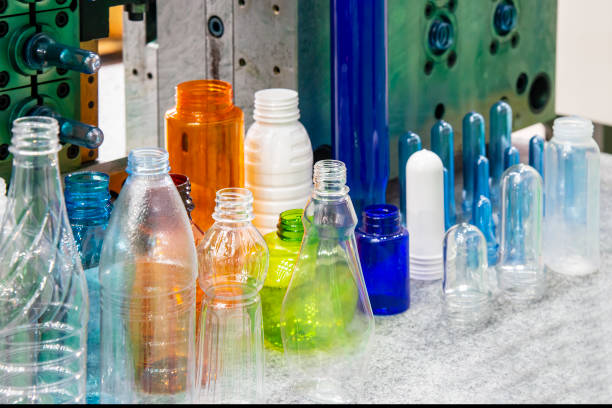
In the high-stakes world of consumer packaging, a product’s success often hinges on a fraction of a millimeter. For brand managers, procurement heads, and container designers sourcing wide-mouth jars, this reality forces a critical, baseline technical crossroad: Should you deploy traditional solid injection molding, or opt for injection blow molding (IBM) instead?
While both manufacturing pathways yield high-quality retail packaging, they behave entirely differently when subjected to structural tolerances and mechanical stress. In premium sectors—such as cosmetics, pharmaceuticals, and high-end food logistics—even a microscopic dimensional error at the neck finish triggers catastrophic product leakage, ruined batches, and instant brand degradation.
To safeguard your supply chain, this technical guide strips away the guesswork. By comparing the structural tolerances, assembly efficiencies, and seal integrities of both techniques, we will empower you to source the most accurate injection-molded jars for your specific product line.
1. The Core Differences Across Jar Manufacturing Methods
Each molding methodology alters the physical properties, wall tolerances, and structural limits of the finished container. Review this detailed engineering matrix to analyze the two processes side by side:
| Engineering Performance Metric | Solid Injection Molding Process | Injection Blow Molding (IBM) Process |
| Dimensional Accuracy Level | Ultra-High: achieves strict tolerances | Moderate; subject to air expansion variables |
| Wall Thickness Uniformity | Excellent; zero variance across faces | Good, prone to stretching variations |
| Precision Thread Finish | Extremely Precise; fits airtight liners | Standard Accuracy; fits normal snap caps |
| Ideal Surface Finish Profile | High-gloss mirror or intricate textures | Standard gloss; can show minor stretch lines |
| Typical Product Applications | Premium cosmetic jars, thick food tubs | Pharmaceutical pill bottles, squeeze tubes |
2. Technical Analysis: Why Solid Injection Molding Achieves Elite Precision
The solid injection process delivers superior structural accuracy by controlling the plastic melt under extreme hydraulic pressure.
 Solid Injection: [Molten Polymer] ──> [High-Pressure Steel Core Cavity] ──> ♻️ Perfect Dimensional Replication
 Injection Blow:  [Molded Preform]  ──> [Air Inflation Spray Core]     ──> ❌ Air Stretching Lowers Tolerance
When manufacturing premium injection molded jars, the machine injects molten polymer directly into a tightly clamped steel cavity. Steel walls support the material completely on both the inside and outside faces until the part solidifies. Consequently, this rigid physical containment eliminates structural movement and controls natural material shrinkage perfectly.
Furthermore, this high-pressure containment allows factory teams to mold a highly precise thread finish along the jar rim. These exact thread profiles guarantee a perfect match with airtight sealing liners and child-resistant closure caps.
3. Process Dynamics: Understanding the Injection Blow Molding Workflow
Injection blow molding utilizes a two-stage production cycle to manufacture lightweight, hollow containers.
                  Two-Phase Injection Blow Molding (IBM) Sequence:
 ┌──────────────────────────────────────────────────────────────────────┐
 │ Phase 1: Mold a hot plastic preform tube directly onto a steel core. │
 ├──────────────────────────────────────────────────────────────────────┤
 │ Phase 2: Transfer the warm tube into a blow mold and inflate with air.│
 └──────────────────────────────────────────────────────────────────────┘
 Result: Produces a seamless, lightweight hollow bottle with no external flashing.
First, the machine injects a hot plastic preform tube directly onto a central steel core rod. This initial step creates a clean, flash-free neck finish before the blowing phase begins.
Second, the machine transfers the warm preform into a secondary, larger blow mold cavity block. High-pressure air then shoots through the core rod, inflating the soft plastic outward against the cool steel walls. While this process creates a seamless, lightweight hollow body, the air-stretching phase naturally introduces minor wall thickness variations.
4. Strategic Selection Matrix: Matching Processes to Product Blueprints
Do not pick a manufacturing process based on machinery availability or cheap tooling costs alone. Instead, evaluate your specific packaging tolerances by walking through this clear engineering decision matrix:
Check Nominal Wall Thick ──> Evaluate Thread Seal Needs ──> Select the Optimal Molding Process
-
The Wall Thickness Factor: Choose solid injection molding if your jar blueprint requires a premium, thick wall (≥ 2 mm ).
-
The Thread Precision Need: Select solid injection tools if your product uses volatile liquids that require a flawless, tight thread seal.
-
The Optical Clarity Goal: Use solid injection molding with acrylic or PETG to achieve a crystal-clear, glass-like appearance.
-
The Lightweight Requirement: Opt for injection blow molding if your project demands a thin-walled, flexible hollow container to save weight.
Conclusion: Securing Retail Success Through Engineering Precision
Achieving long-term retail success requires selecting manufacturing methods that protect your product formula while speeding up automated assembly lines.
Stop risking your brand’s reputation on leaking lids, stripped threads, and warped container walls caused by unoptimized blowing processes. Instead, upgrade your custom packaging pipeline to premium injection-molded jars. This strategic shift ensures absolute dimensional accuracy and a flawless cosmetic presentation on competitive retail shelves.
At WIN WIN, we engineer every single mold cavity to maintain tight tolerances across high-volume production runs, guaranteeing that your final output consistently mirrors your exact design blueprints.
Ready to eliminate structural vulnerabilities from your packaging? Contact the WIN WIN technical engineering group today to review your container schematics and secure your next wholesale production run.






Add comment