

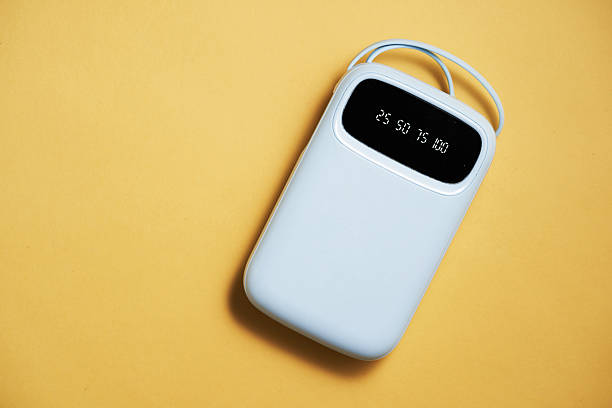
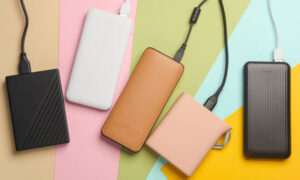
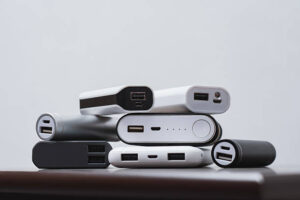
A custom plastic power bank case gives electronics brands control over product color, surface texture, logo placement, and overall appearance. For brands developing private-label chargers or sourcing an OEM plastic enclosure, these details help distinguish a product while maintaining compatibility with its internal components.
ABS is a common option for plastic housings because it offers a useful balance of impact performance, processability, and surface appearance. Depending on the design, manufacturers can also use molded-in colors, matte or glossy finishes, textured mold surfaces, spray painting, silk screen printing, pad printing, and laser marking.
However, not every finish has the same cost, lead time, durability, or consistency requirements. This guide explains the main customization options and how B2B buyers can select a suitable combination before requesting a quotation from an injection molding supplier.
1. Choosing the Right Plastic Material and Base Color
The material and color establish the foundation for the power bank shell. Buyers should confirm these choices before finalizing logos, textures, or decorative finishes.
Why ABS Is a Common Choice for Power Bank Housings
ABS, or acrylonitrile butadiene styrene, is widely used in consumer electronics enclosures. Its suitability for a particular power bank depends on the required mechanical properties, wall thickness, design, processing conditions, and applicable safety requirements.
Potential advantages include:
- A range of colors and surface appearances.
- Suitability for injection molding.
- Compatibility with various decorative finishing methods.
- Design flexibility for rounded corners, ribs, buttons, and other housing features.
Material selection should also account for operating temperature, impact requirements, chemical exposure, and the product’s electrical and battery-related safety design.
ABS is not automatically suitable for every enclosure. The selected grade should meet the project’s actual performance and regulatory requirements.
Molded-In Color vs. Painted Color
A custom power bank shell can achieve its target color through the plastic compound itself or through a post-molding coating.
Molded-in color uses colored resin or an appropriate color concentrate during molding. It can provide an efficient finish for products that do not require a separate coating layer.
Painted color applies a coating to the molded housing. It can support specialized colors, effects, or surface appearances that may be difficult to achieve directly through the resin.
| Comparison Factor | Molded-In Color | Spray-Painted Color |
|---|---|---|
| Process | Color is incorporated into the plastic material | Coating is applied after molding |
| Additional processing | Usually avoids a separate painting stage | Requires painting, drying or curing, and inspection |
| Surface effects | Depends on resin, mold texture, and material grade | Can support a broader range of coating effects |
| Wear considerations | Scratches may reveal the underlying material or color variation | Coating can scratch, chip, or wear depending on the system |
| Cost factors | Resin grade, color matching, and production volume | Paint materials, masking, labor, curing, and inspection |
| Consistency controls | Resin mixing, molding conditions, and material batches | Coating thickness, application conditions, color, and curing |
Neither option is universally better. For a simple black, white, or standard-color enclosure, molded-in color may reduce finishing steps. For a specialized metallic effect or complex coating appearance, painting may be worth evaluating.
How to Specify a Custom Plastic Color
Color names such as navy blue, champagne gold, or graphite gray are useful starting points, but they are not precise manufacturing specifications.
For better consistency, provide a physical color sample or a defined color reference where appropriate. Confirm whether the reference applies to the molded plastic, painted surface, printed logo, or finished assembled product.
For large orders, approve a production-representative sample and establish an acceptable color tolerance before mass production. Screen appearance, material, surface gloss, and lighting can influence perceived color, so visual comparisons should use consistent conditions.
2. Matte, Glossy, and Textured Surface Finishes
Surface finish affects how a power bank feels, reflects light, displays fingerprints, and communicates product positioning. It can also influence mold design and the amount of post-processing required.
Matte Finish for a Subtle, Modern Appearance
Matte plastic housings have lower surface reflectivity than glossy housings. They can suit minimalist electronics, business gifts, and products that use understated branding.
Potential benefits include:
- Reduced visible reflections.
- A restrained, contemporary appearance.
- Compatibility with selected fine mold textures.
- Less emphasis on minor reflections under display lighting.
However, matte surfaces are not necessarily fingerprint-proof or scratch-resistant. Performance depends on the material, texture, coating, and actual handling conditions.
Glossy Finish for a Premium Look
A glossy custom power bank shell can create a smooth, reflective appearance that highlights clean geometry and saturated colors.
This finish may suit products designed for retail display or coordinated product families. However, highly reflective surfaces can make fingerprints, dust, fine scratches, and flow marks more noticeable.
Buyers should evaluate gloss under realistic lighting rather than relying only on a photograph. If the product uses a high-gloss coating, confirm its adhesion and durability requirements.
Mold Texture for Tactile Differentiation
Texture can be formed directly into the plastic surface through the mold. Common design directions include fine grain, subtle stippling, geometric patterns, and other specified textures.
A molded texture can help create a distinctive surface without adding a separate decorative layer. It may also change how light reflects from the housing.
The final result depends on the mold finish, plastic material, part geometry, and molding conditions. Some textures may require specific tooling preparation or affect draft-angle requirements.
Surface Finish Comparison
| Finish | Visual Character | Main Cost Considerations | Consistency Risks |
|---|---|---|---|
| Smooth matte | Soft, understated | Mold finish or coating requirements | Texture variation, marks, gloss differences |
| High gloss | Reflective, polished | Mold polishing or coating process | Scratches, flow marks, visible defects |
| Molded grain | Tactile, textured | Mold texturing and tooling preparation | Uneven texture or visible mismatch between parts |
| Spray coating | Flexible appearance options | Coating, masking, curing, inspection | Color variation, coating defects, adhesion |
| Soft-touch coating | Tactile, low-gloss feel | Specialized coating and durability validation | Wear, surface changes, coating consistency |
The most economical option depends on the mold design, required appearance, order quantity, and quality standard. Buyers should evaluate the complete process rather than assuming every molded finish costs less than painting.
3. Logo Customization: Silk Screen, Pad Printing, and Laser Marking
Logo placement is a major part of private-label power bank customization. The best marking method depends on the logo artwork, surface shape, material, color contrast, required durability, and production volume.
Silk Screen Printing for Clear, Bold Logos
Silk screen printing transfers ink through a prepared screen onto a surface. It is suitable for many relatively flat enclosure areas and can work well for logos, text, and simple graphics.
Potential advantages include:
- Clear, high-contrast branding.
- Suitability for selected solid-color artwork.
- Repeatable production after setup and process approval.
- Options for single-color or multicolor designs, depending on the process.
Cost factors include screen preparation, the number of colors, alignment requirements, ink selection, and inspection.
For large production runs, setup costs may be spread across more units. However, adhesion and abrasion resistance still depend on the ink system, surface preparation, and curing conditions.
Pad Printing for Curved or Small Surfaces
Pad printing uses a flexible pad to transfer ink from an image plate to the target surface. It can be useful when the logo sits on a curved or relatively small area that is difficult to print using a flat screen.
It may suit compact power bank housings with rounded corners or restricted logo placement areas.
Buyers should confirm the printable area, achievable detail, color requirements, and surface geometry with the supplier. Complex artwork may require adjustments to simplify the design or improve registration.
Laser Marking for Permanent Identification
Laser marking uses a laser process to create a visible mark through a material response or surface change. The result depends on the plastic formulation, additives, laser settings, and marking method.
It can be suitable for model numbers, serial identifiers, regulatory markings, and certain logo designs.
However, not every plastic produces the same laser-marking contrast. A trial on the selected material and color is important before confirming the production specification.
Laser marking may reduce the need for printing consumables, but equipment access, setup, cycle time, and marking complexity still affect cost.
Choosing a Logo Process
| Requirement | Potential Method | Key Consideration |
|---|---|---|
| Bold logo on a flat surface | Silk screen printing | Ink adhesion, registration, and color count |
| Small logo on a curved surface | Pad printing | Surface geometry and printable area |
| Model number or serial marking | Laser marking | Material response and required contrast |
| Specialized color or decorative effect | Screen, pad, or another validated process | Artwork, finish compatibility, and sample approval |
No method is automatically the most durable in every application. Buyers should evaluate marking quality on the actual housing material and test it against the expected handling and cleaning conditions.
4. Spray Painting and Other Decorative Finishes
When molded-in color and direct mold texture cannot achieve the required appearance, post-molding finishing can expand the available design options.
Spray Painting for Custom Colors and Effects
Spray painting can provide solid colors, selected metallic appearances, and other coating effects, depending on the coating system.
It can help brands align a power bank housing with an existing product range or corporate identity. It also introduces additional production stages.
The quotation may include:
- Paint or coating materials.
- Surface preparation.
- Masking of connectors, buttons, and assembly areas.
- Spray application.
- Drying or curing.
- Appearance and adhesion inspection.
- Rework for coating defects.
Coating can add lead time because the parts must move through the finishing process before final assembly. The exact schedule depends on production capacity, coating specifications, and sample approval.
Soft-Touch and Specialty Coatings
Soft-touch coatings can create a distinctive tactile feel. Depending on the formulation, they may offer a low-gloss or slightly rubberized sensation.
Before selecting this finish, confirm resistance to abrasion, skin oils, cleaning agents, and the intended service environment. Some coatings may change appearance or feel with use.
Specialty coatings should be validated on production-representative parts. A finish that looks attractive on a small sample may behave differently across different part geometries or larger production batches.
Protect Functional Areas During Finishing
Power bank housings contain openings and interfaces that must remain functional. Coatings or printed materials should not interfere with USB ports, switches, display windows, charging indicators, assembly joints, or required electrical clearances.
The supplier should identify areas that need masking and confirm that the finishing process does not compromise fit or function.
For products containing lithium batteries, decorative customization must also preserve the intended enclosure design and should not obstruct required ventilation or other safety features specified by the product design.
5. How Customization Choices Affect Cost and Lead Time
The cost of a custom power bank shell is not determined by appearance alone. Tooling, material, processing steps, setup, inspection, and production volume all contribute to the final quotation.
Tooling and Mold Changes
Molded-in textures, surface geometry, and some appearance details may require changes to the mold design or tooling finish.
A new texture can require additional tooling preparation. Significant design changes after mold approval may require rework or a mold modification.
Before committing to production, clarify whether the quoted tooling includes the required texture, polish level, and approved design details.
Additional Processing Steps
Each post-molding operation adds coordination and quality-control requirements.
For example, a painted shell with a printed logo may require molding, surface preparation, masking, painting, curing, printing, and inspection. A molded-in-color shell with a suitable mold texture may require fewer separate finishing steps.
Fewer steps can simplify production, but the best choice depends on the required appearance and performance.
Setup Costs and Order Quantity
Some processes involve fixed setup costs, such as screen preparation, pad-printing plates, laser programming, or coating fixtures. These costs can have a larger effect on unit price for small orders.
Higher production volumes may spread setup costs over more parts, although material prices, cycle time, inspection, and rework still matter.
Ask suppliers to separate one-time tooling or setup charges from recurring per-unit costs wherever possible.
Cost and Lead-Time Planning Table
| Customization Option | Main Cost Driver | Potential Lead-Time Impact | Key Control |
|---|---|---|---|
| Molded-in color | Resin and color matching | Material approval and production planning | Approved color sample |
| Mold texture | Tooling preparation | Mold development or modification | Texture reference sample |
| High-gloss mold finish | Tool polishing and process control | Tool preparation and trial molding | Surface inspection |
| Spray painting | Coating, labor, curing, masking | Additional finishing stages | Color and coating tests |
| Silk screen printing | Screen setup and color count | Artwork setup and print approval | Registration and adhesion checks |
| Pad printing | Plate setup and alignment | Setup and trial printing | Placement and contrast approval |
| Laser marking | Programming and cycle time | Material trials and process setup | Contrast and legibility checks |
These are directional planning considerations, not fixed lead-time estimates. The actual schedule should be confirmed with the manufacturer after reviewing the design and production requirements.
6. How to Maintain Appearance Consistency in OEM Production
A design that looks correct on one sample must also remain consistent across the approved production batch.
For OEM projects, buyers should establish a clear reference standard and identify the most important visual characteristics before mass production.
Approve a Production-Representative Sample
The approved sample should use the intended material, color, texture, marking process, and coating system. A prototype made with a different material or temporary surface treatment may not accurately represent the finished product.
For larger projects, retain an approved reference sample and define the conditions for comparing production parts.
Establish Visual Acceptance Criteria
Instead of relying only on subjective descriptions such as “premium matte” or “dark metallic gray,” define practical inspection criteria.
Depending on the project, these may include:
- Color tolerance or an agreed visual color standard.
- Gloss or texture requirements.
- Logo position, size, and alignment.
- Permitted surface defects.
- Print or laser-marking legibility.
- Coating adhesion and abrasion requirements.
- Fit around buttons, ports, and assembly interfaces.
The appropriate criteria depend on the product and intended market. Not every project needs the same measurement methods or acceptance limits.
Check Appearance After Assembly
A housing may pass an individual-part inspection but show alignment or finish issues after assembly.
Check the assembled power bank for matching shell colors, consistent gaps, aligned logos, clean port openings, and correct button operation. If the product includes a display or indicator window, confirm that the finish does not obstruct visibility.
For customized electronics, appearance approval should be part of a broader product validation process rather than a substitute for functional and safety testing.
7. Frequently Asked Questions
What is the best material for a custom plastic power bank case?
ABS is a common option for consumer electronics housings, but the best material depends on impact requirements, operating conditions, design, and applicable safety standards. The manufacturer should recommend a grade based on the product specification rather than appearance alone.
Is molded-in color cheaper than spray painting?
Molded-in color can avoid a separate painting stage and may be economical for suitable designs. However, resin selection, color matching, order quantity, and required appearance affect the result. Spray painting may be preferable for specialized effects or colors that are difficult to achieve through the base material.
Which logo process is best for a custom power bank shell?
Silk screen printing can suit many flat surfaces, pad printing can accommodate certain curved areas, and laser marking can work for identification or selected logos. The correct choice depends on the material, artwork, contrast, durability requirements, and production volume.
Does a matte finish resist scratches and fingerprints better than a glossy finish?
Not automatically. Matte and glossy describe surface appearance, not a universal durability rating. Actual resistance depends on the plastic, texture, coating, and handling conditions. Evaluate samples using the intended inspection criteria.
How can OEM buyers maintain consistent colors across bulk orders?
Approve a production-representative sample, specify the material and color reference, define acceptable variation, and inspect production parts under consistent lighting. For painted housings, also control coating application and curing conditions.
Can the same mold produce matte and glossy power bank shells?
The possibilities depend on the mold design and surface finish. Different mold surfaces or tooling changes may be required to achieve significantly different appearances. Discuss the design before tooling approval, especially if both finishes will be used across product variants.
Conclusion: Choose Customization Options That Match Your Product Strategy
Custom plastic power bank cases offer several ways to build a distinctive product identity. Molded-in colors establish the base appearance, mold textures create tactile differentiation, and matte or glossy finishes influence how the housing looks under different lighting conditions. Silk screen printing, pad printing, laser marking, and spray painting provide additional branding options.
The most suitable combination depends on the target appearance, order volume, tooling budget, durability requirements, and production schedule. More decorative steps can increase cost and inspection needs, while simpler designs may be easier to reproduce consistently across large batches.
For B2B buyers, the best approach is to define the material, color, surface finish, logo method, and acceptance criteria before approving the mold and production sample. This gives the manufacturer a clearer basis for quotation and helps align appearance expectations with manufacturing feasibility.
WIN WIN supports custom plastic injection molding projects based on buyer specifications. Share your housing drawings, color references, logo artwork, and target quantity to discuss suitable materials, surface finishes, and OEM production options.


Add comment