

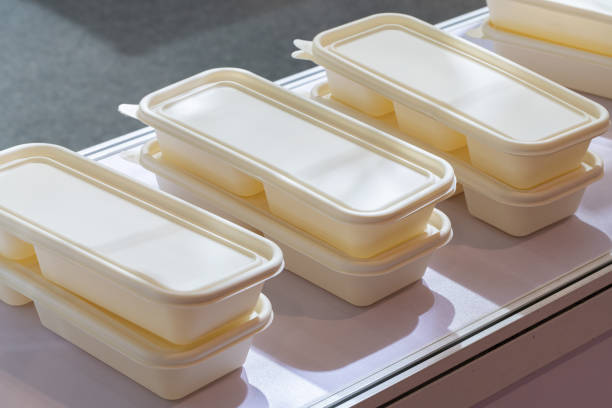
In the commercial food service, catering, and food processing industries, reusable plastic platters and trays are essential for driving operational efficiency. Transitioning away from single-use packaging to heavy-duty, reusable plastic alternatives significantly lowers long-term procurement costs and supports corporate sustainability goals. However, reusing food-contact hardware introduces an important technical challenge: ensuring long-term chemical and microbial safety across hundreds of high-temperature wash cycles.
When plastic food trays are repeatedly exposed to hot water, sanitizing chemicals, microwave radiation, and physical wear, they run the risk of material degradation. Poorly engineered plastics can leach microplastics, heavy metals, or volatile organic compounds (VOCs) directly into food products. For global buyers, sourcing products that carry verified food-safety credentials is not just a regulatory necessity—it is a critical step in protecting consumer health and safeguarding brand reputation. This technical guide examines global compliance frameworks, material testing requirements, and best practices for commercial cleaning to ensure long-lasting safety.
1. Global Food Contact Compliance: Navigating Regional Standards
Sourcing custom injection-molded food trays for international distribution requires a clear understanding of regional chemical safety laws. Regulatory bodies enforce strict rules on how chemical substances can migrate from plastic hardware into different food simulators (such as acidic, fatty, or alcoholic environments).
                 Global Food Contact Regulatory Gateways:
   ┌───────────────────────┬───────────────────────┬───────────────────────┐
   │    FDA (USA Market)   │  LFGB (German/Europe) │   EU 10/2011 Model    │
   ├───────────────────────┼───────────────────────┼───────────────────────┤
   │ Focuses on extractive │ Enforces strict       │ Mandates specific     │
   │ thresholds using      │ organoleptic checks   │ migration limits      │
   │ n-hexane and water    │ to prevent taste or   │ (SML) for heavy       │
   │ distillation tests.   │ odor transfer.        │ metals and monomers.  │
   └───────────────────────┴───────────────────────┴───────────────────────┘
The matrix below outlines the critical differences between the three major international regulatory frameworks:
| Regulatory Standard | Primary Geographic Jurisdiction | Core Chemical Testing Focus | Key Operational Compliance Limits |
| FDA 21 CFR 177.1520 | United States | Total extractive migration; n-hexane and distilled water extraction limits for polymers. | Total extractives must remain $\le 50\,\text{mg/L}$ under specified temperature profiles. |
| LFGB (Sections 30 & 31) | Germany / Europe | Organoleptic profiling (sensory testing for odor/taste transfer); overall chemical migration. | Passing score on the 6-point sensory scale; zero perceptible transfer of smell or flavor to food. |
| EU Regulation No 10/2011 | European Union | Specific Migration Limits (SML) for heavy metals, plasticizers, and primary aromatic amines. | Overall migration limit of $\le 10\,\text{mg/dm}^2$ across all standardized food stimulants. |
| BPA-Free Mandates | Global Enforcement | Verification that Bisphenol A is absent from the polymer matrix. | Not Detected (ND) threshold verified via high-performance liquid chromatography (HPLC). |
2. Mechanical Durability and Thermal Performance Stress Testing
To transition a reusable plastic platter from a fragile single-use item into a durable asset capable of years of active service, the base hardware must undergo comprehensive mechanical and thermal stress testing:
-
Commercial Dishwasher Thermal Cycling: Institutional kitchens use high-temperature commercial dishwashers that rely on intensive chemical sanitizers and water temperatures exceeding 82℃ (180℉) for thermal sanitization. A premium food tray should be certified to survive >500 continuous industrial wash cycles without chalking, cracking, losing its color, or warping along the structural edges.
-
Microwave Thermal Stability (PP and Tritan Core): When utilizing raw materials like food-grade Polypropylene (PP), hardware engineering must ensure the tray remains safe for microwave use. Testing verifies that the plastic can handle temperatures up to 120℃ (248℉) without softening, blistering, or increasing chemical migration rates when exposed to hot, fatty foods.
-
Industrial Drop and Stack-Load Structural Testing: Trays used in automated food processing or fast-paced dining environments face heavy physical handling. Drop testing requires loaded trays to survive repeated impacts onto solid concrete from a height of 1.5 meters at freezing temperatures (when plastics become brittle). Additionally, compressive stack-load testing ensures that a base tray can support a static vertical load of over 50 kg without buckling or deforming.
3. Material Integrity: The Regulatory Risks of Recycled Plastics
For high-end B2B buyers and supply chain managers, balancing environmental sustainability with strict product liability is a top priority. While using post-consumer recycled (PCR) plastics helps lower a brand’s carbon footprint, it introduces significant chemical risks when used for direct food-contact surfaces.
 [PCR Material Sorting] ──> [Trace Chemical Contamination] ──> [Cross-Migration Risks] ──> ❌ Compliance Failure
 [100% Virgin Polymer]  ──> [Homogeneous Resin Matrix]   ──> [Zero Leach Performance]  ──> ♻️ Approved Food Safety
Post-consumer recycling streams often collect a wide variety of discarded plastics, which can introduce trace contaminants like industrial chemicals, heavy metal pigments from non-food packaging, or volatile chemical residues. When these recycled resins are molded into a food tray, high operating temperatures can cause these hidden contaminants to migrate directly into food products.
To guarantee absolute compliance with international food safety laws, premium food trays should be manufactured using 100% virgin, food-grade polymers. Virgin resins provide a clean, consistent, and predictable material structure, ensuring that every production batch easily passes stringent FDA and LFGB chemical migration testing.
4. Labeling Compliance and Enterprise Safety Transparency
Clear product labeling helps build trust with consumers, reduces operational errors in commercial kitchens, and streamlines international customs clearance:
                  Compliant Laser-Etched Product Indicators:
   ┌───────────────────────┬───────────────────────┬───────────────────────┐
   │   Glass & Fork Icon   │     Thermal Badges    │    Resin ID Stamp     │
   ├───────────────────────┼───────────────────────┼───────────────────────┤
   │ Universal symbol      │ Clear markings for    │ Standard triangular   │
   │ confirming compliance │ "Microwave Safe" and  │ logo identifying the  │
   │ with international    │ "Dishwasher Safe"     │ base polymer for      │
   │ food contact laws.    │ operational profiles. │ efficient recycling.  │
   └───────────────────────┴───────────────────────┴───────────────────────┘
To prevent labels from peeling or fading after repeated washing, manufacturers should mark food-contact information permanently during production. They can laser-etch or emboss these markings directly into the injection mold. As a result, the markings become part of the plastic component itself. Moreover, they remain clear and durable throughout the product’s lifespan. Essential details include BPA-Free markings, material identification codes, and temperature ratings. Therefore, users can easily read critical information even after years of use.
Conclusion: Engineering Safety into Every Batch
In the modern commercial food sector, true product value is defined by matching long-term mechanical durability with uncompromised chemical safety.
Stop exposing your brand to regulatory penalties and product liability risks with uncertified, unoptimized plastic components. By partnering with a specialized injection molding manufacturer to design and produce high-performance, compliant reusable plastic platters, you safeguard consumer health, meet international export requirements, and deliver a reliable product built for heavy daily reuse.
Contact WIN WIN’s technical engineering team today to review your component blueprints, request certified resin reports, and secure custom prototyping for your next product line.





Add comment